




 " />
" />【 WeChat QR code consultation】
+86 13698775878
HDPE geomembrane is the world’s most widely used waterproof liner for ponds, reservoirs, landfills, dams and mining projects. Made from high-density polyethylene, it combines excellent chemical resistance, UV stability and long service life. This complete guide explains what a geomembrane is, the main types and thicknesses, typical applications, and how to get a factory-direct price.
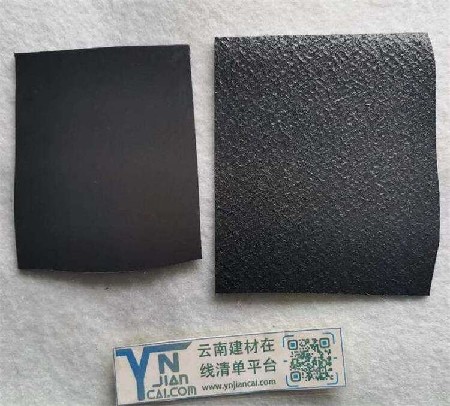
A geomembrane is an impermeable synthetic membrane used to control fluid or gas migration. It is the waterproof core of most lining systems. In simple terms, it stops water and leachate from passing through. For a more detailed introduction, see our article What is Geomembrane? Applications in Anti-Seepage and Waterproofing Projects.
Besides HDPE, geomembranes are made from PVC, LDPE and composite materials. HDPE is preferred for its superior chemical resistance and durability, while composite geomembrane combines a geomembrane with a geotextile for extra puncture protection and drainage. Your choice depends on the liquid stored, the ground condition and the required service life.
Smooth HDPE liners are the standard for most applications. Textured (rough) liners have a granular surface on one or both sides, which increases friction and prevents the liner from sliding on steep slopes. Many landfill slope designs require textured HDPE on the slope face and smooth HDPE on the floor.
HDPE geomembrane is typically available from 0.3 mm up to 2.0 mm and beyond. Thicker liners (1.0–2.0 mm) are used for landfills, mining and large reservoirs; thinner liners (0.3–0.75 mm) are common for fish ponds, canals and temporary applications. The right thickness depends on the pressure, the subgrade and the required puncture resistance.
The price of HDPE geomembrane is driven by raw material prices, thickness, smooth or textured surface, width of the roll and order volume. Because prices change with the market, the best way to get a current price is to send us your required thickness, area and quantity. We offer factory-direct HDPE impermeable membrane pricing with global shipping.
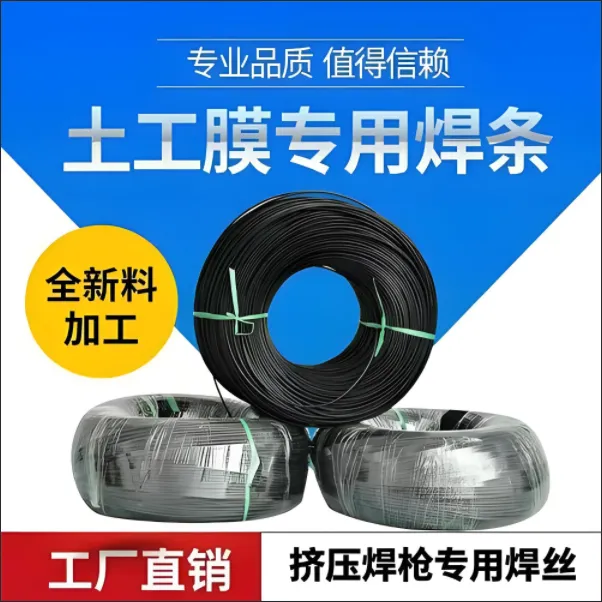
If you are starting a lining project, read the complete geomembrane installation guide and the HDPE welding rod selection guide to prepare your crew and materials correctly.
Scan code consultation


 English