





【 WeChat QR code consultation 】
+86 13698775878
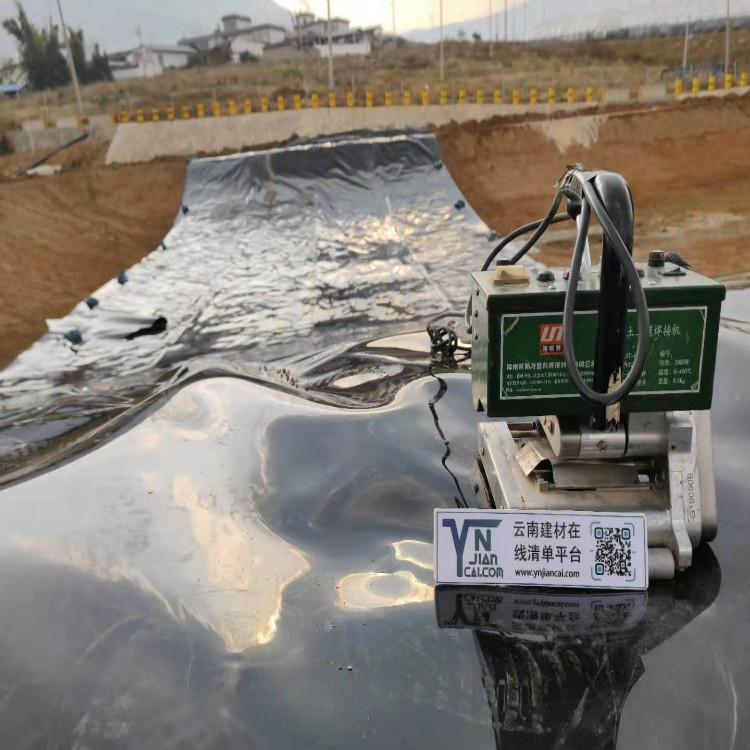
HDPE impermeable membrane, in addition to the material, also involves construction welding and personnel allocation and other related issues. If needed, please indicate in the list remarks.
If the above specifications do not meet your needs, you can select others and then explain in the remarks.
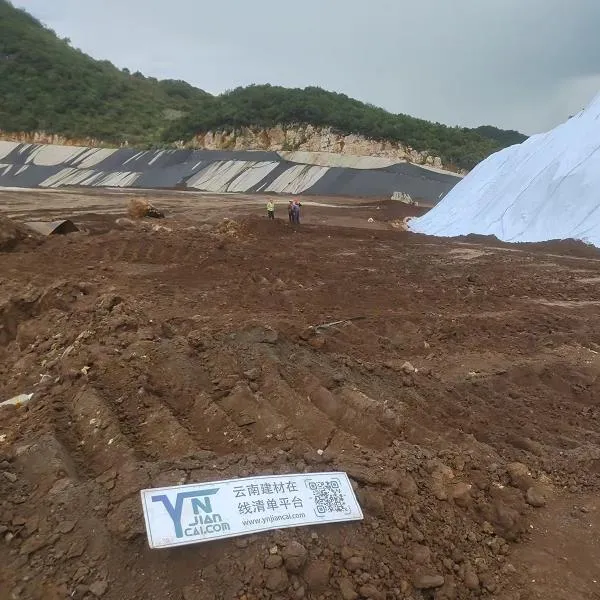
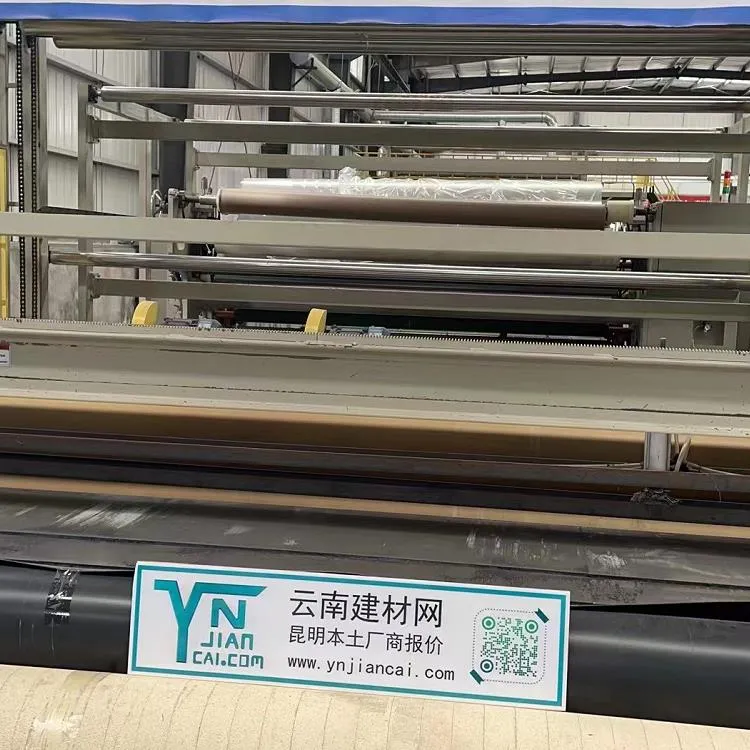
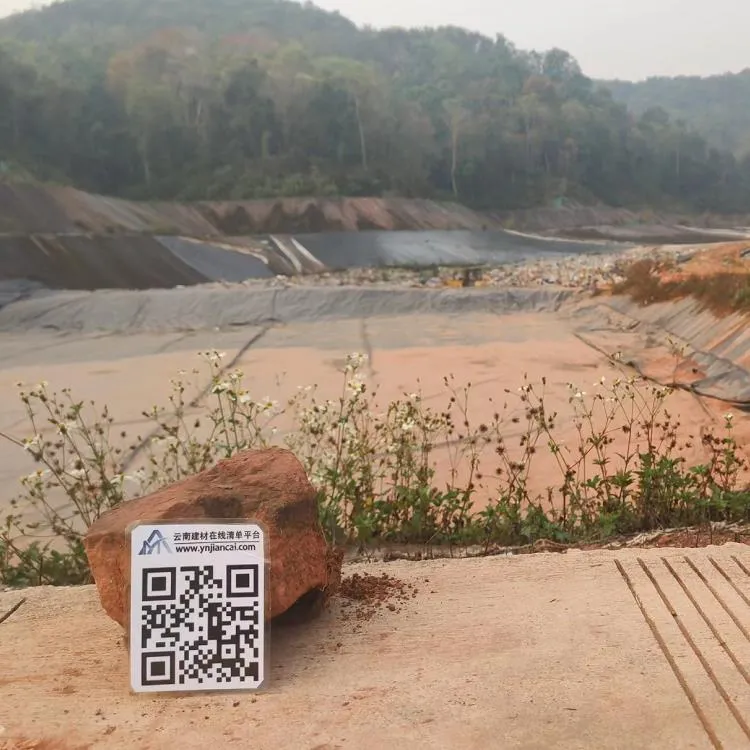
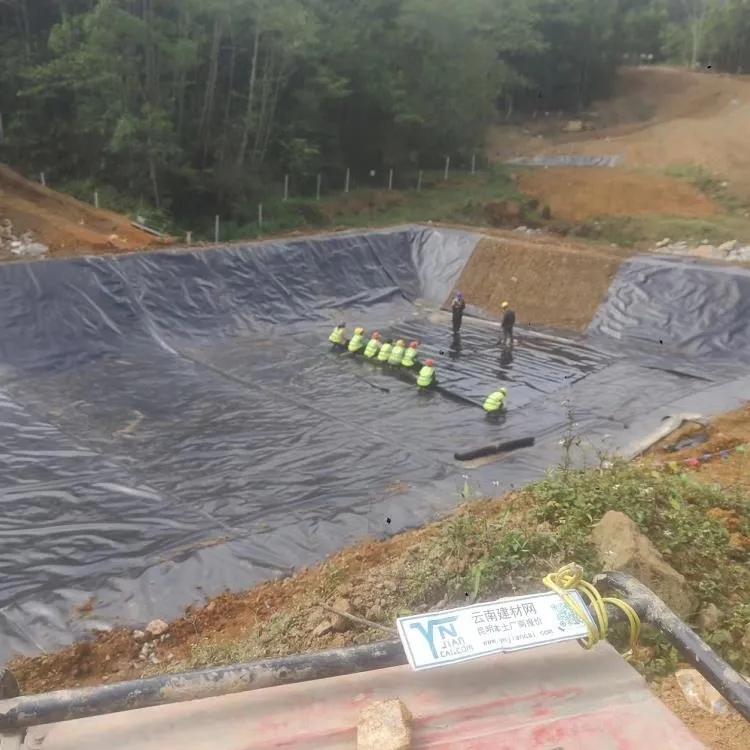
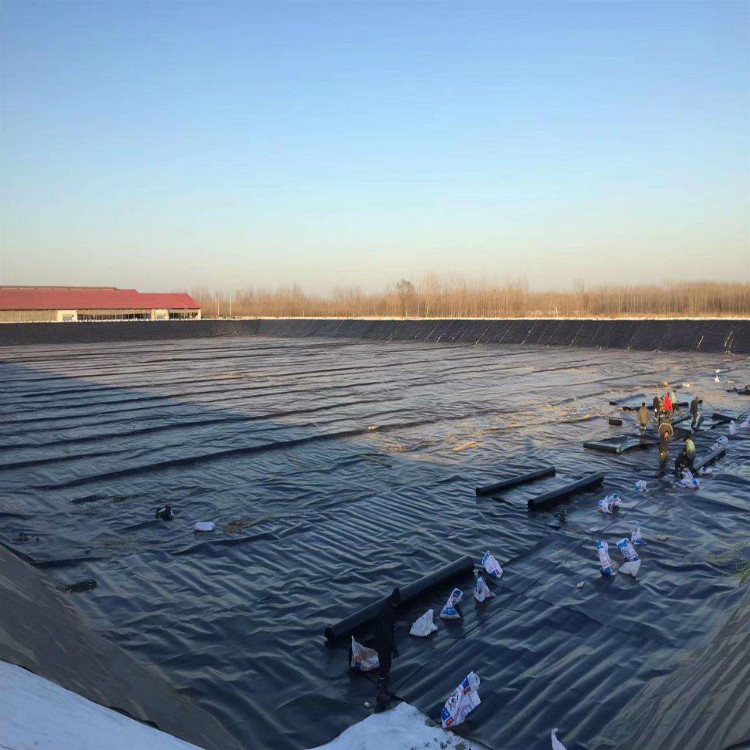

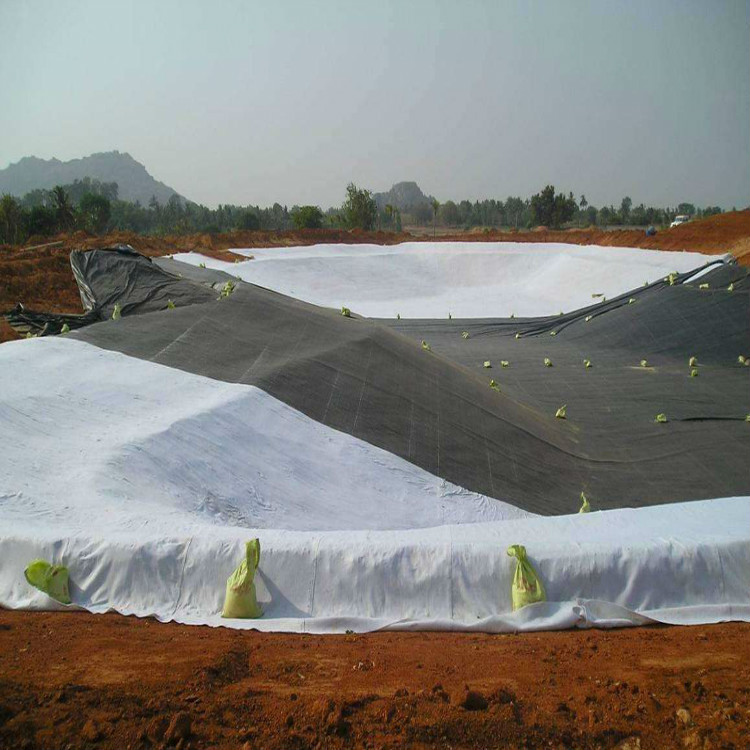
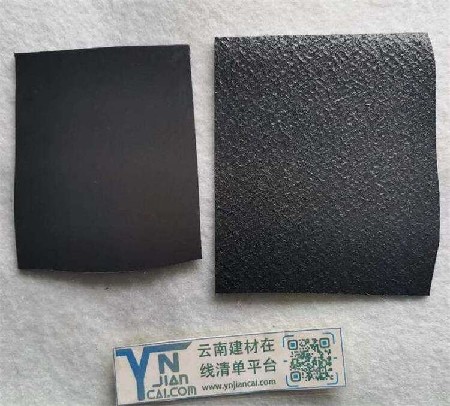
HDPE impermeable membrane (geomembrane) Introduction:
HDPE geomembrane is made of high-quality virgin polyethylene resin, with the main component being 97.5% high-density polyethylene, and about 2.5% carbon black, anti-aging agent, antioxidant, UV absorber, stabilizer and other auxiliary materials. HDPE geomembrane can meet the application requirements of environmental sanitation, water conservancy, construction, municipal engineering, gardens, landscapes, petrochemical, mining, salt industry, agriculture, and aquaculture.
HDPE impermeable membrane (geomembrane) features:
High impermeability coefficient — has impermeable effects unmatched by ordinary waterproof materials, water vapor permeability coefficient K<=1.0*10-13 cm/c cm2.s.pa.
Chemical stability — has excellent chemical stability, widely used in sewage treatment, chemical reaction tanks, landfills. Resistant to high and low temperatures, resistant to asphalt, oil and tar, resistant to acid, alkali, salt and more than 80 types of strong acid and strong alkali chemical medium corrosion.
Anti-aging performance — has excellent anti-aging, anti-ultraviolet, anti-decomposition capabilities, can be used exposed, material service life reaches 50-70 years, providing good material guarantee for environmental anti-seepage.
Plant root resistance — has excellent puncture resistance, can resist most plant roots.
High mechanical strength — has good mechanical strength, excellent elasticity and deformation ability making it very suitable for expansion or contraction base surfaces, can effectively overcome uneven settlement of base surfaces, tensile strength at break 28MPa, elongation at break 700%.
Good economic benefits — adopts new technology to improve anti-seepage effect, but the production process is more scientific and fast, product cost is lower than traditional waterproof materials. According to actual calculations, projects using HDPE impermeable membrane can save about 50% of costs.
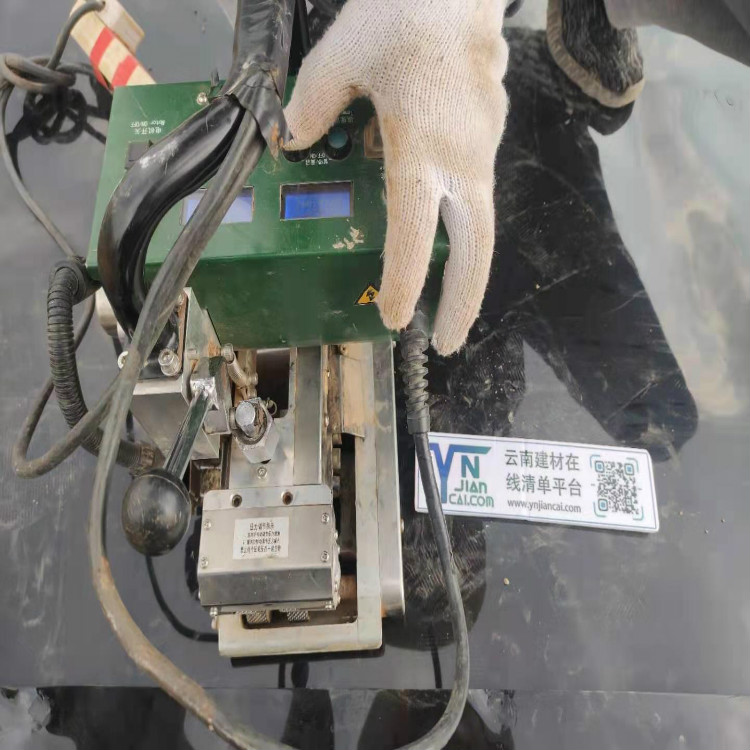
Fast construction speed — HDPE impermeable membrane has high flexibility, with multiple specifications and multiple laying forms to meet different engineering anti-seepage requirements, adopts hot-melt welding, high weld strength, convenient and fast construction.
Environmental protection and non-toxicity — the materials used are all non-toxic environmental protection materials, the anti-seepage principle is ordinary physical changes, does not produce any harmful substances, is the best choice for environmental protection, aquaculture, and drinking water pools.
HDPE impermeable membrane (geomembrane) application fields:
1. Transportation facilities (highway foundation reinforcement, culvert anti-seepage)
2. Environmental protection, sanitation (such as domestic waste landfills, sewage treatment plants, power plant regulating tanks, industrial and hospital solid waste)
3. Aquaculture (intensive and factory farming ponds, fish ponds, shrimp pond liners, sea cucumber circle slope protection, etc.)
4. Municipal engineering (subway, underground construction of buildings, planted roofs, roof garden anti-seepage, sewage pipe liners)
5. Gardens (artificial lakes, rivers, reservoirs, golf course pond bottom liners and slope protection, green lawn waterproof and moisture-proof, etc.)
6. Mining (washing tanks, heap leaching tanks, ash yards, dissolution tanks, sedimentation tanks, storage yards, tailings bottom liner anti-seepage, etc.)
7. Agriculture (reservoirs, drinking water pools, storage ponds, irrigation system anti-seepage)
8. Water conservancy (such as anti-seepage, leakage blocking, reinforcement of rivers, lakes and reservoir dams, canal anti-seepage, vertical core walls, slope protection, etc.)
9. Petrochemical (chemical plants, refineries, gas station oil storage tank anti-seepage, chemical reaction tanks, sedimentation tank liners, secondary liners)
Common specifications of HDPE impermeable membrane
| Thickness mm | Width m | Length m | Area M2 | Weight kg | Weight (unit=area) kg |
| 0.25 | 8.00 | 100 | 800 | 192 | 0.24 |
| 0.35 | 6.00 | 70 | 420 | 141 | 0.336 |
| 0.50 | 5.0-6.0 | 50 | 250/300 | 120/144 | 0.48 |
| 0.75 | 5.0-7.0 | 100 | 500/700 | 360/504 | 0.72 |
| 1.00 | 5.0-7.0 | 100 | 500/700 | 480/672 | 0.96 |
| 1.50 | 5.0-7.0 | 100 | 500/700 | 720/1008 | 1.44 |
| 2.00 | 5.0-7.0 | 100 | 500/700 | 960/1344 | 1.92 |
National standards for HDPE impermeable membrane
| No. | Item (unit) | Index | ||||
| GL | GH | |||||
| GL-1 | GL-2 | GH-1 | GH-2 | |||
| 1 | Tensile strength Mpa | ≥ 14 | ≥ 17 | ≥ 25 | ||
| 2 | Elongation at break % | ≥ 400 | ≥ 450 | ≥ 550 | ||
| 3 | Right angle tear strength N/mm | ≥ 50 | ≥ 80 | ≥ 110 | ||
| 4 | Carbon black content% | ≥ 2 | ||||
| 5 | Environmental stress cracking resistance 20h | - | - | - | ≥ 1500 | |
| 6 | Oxidation induction time at 200℃ min | - | - | - | ≥ 20 | |
| 7 | Water vapor permeability coefficient g·cm/(cm·s·Pa) | ≤ 1.0 × 10 -13 | ||||
| 8 | Low temperature impact brittleness performance at -70℃ | Pass | ||||
| 9 | Dimensional stability % | ±3 | ||||

Geomembrane Puncture Resistance Test- စံလုပ်ထုံးလုပ်နည်းနှင့် ရလဒ်များ
စက်မှုရေလှောင်ကန်နေရာ၌ HDPE Geomembrane Liner တပ်ဆင်ခြင်း။
Geomembrane Seam စစ်ဆေးခြင်းနည်းလမ်းများ- ဖုန်စုပ်ပုံးနှင့် မီးပွားစမ်းသပ်ခြင်း။
Geomembrane Puncture Resistance Test: ຂັ້ນຕອນມາດຕະຖານແລະຜົນໄດ້ຮັບ
ການຕິດຕັ້ງ Liner Geomembrane HDPE ຢູ່ສະຖານທີ່ອ່າງເກັບນ້ໍາອຸດສາຫະກໍາ
ວິທີການກວດກາ Geomembrane Seam: ກ່ອງສູນຍາກາດແລະການທົດສອບ Spark
การติดตั้ง HDPE Geomembrane Liner ที่ไซต์อ่างเก็บน้ำอุตสาหกรรม
Geomembrane Puncture Resistance Test: Standard Procedure and Results
Scan code consultation


 English