




 " />
" />【 WeChat QR code consultation】
+86 13698775878
A grass grid — also called a grass paver, grass protection grid or grass paving grid — is an HDPE honeycomb structure that lets you keep a natural green surface while supporting vehicle loads. It is widely used for parking lots, driveways, fire access roads, golf cart paths and slope protection. This guide explains the types, load performance and installation steps of grass grids so you can choose the right product for your project.
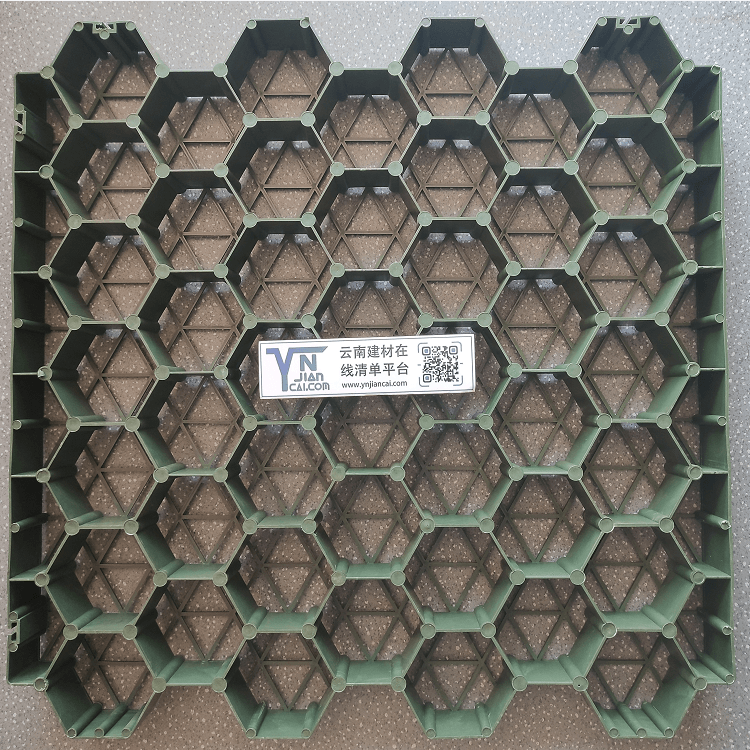
A grass grid is a series of connected cells made from recycled or virgin HDPE. The cells are filled with topsoil and grass seed, and the roots knit through the open structure to form a stable, load-bearing surface. Because the grid carries the weight instead of the soil, the grass roots are not crushed, and rainwater can still drain into the ground instead of running off.
Most grass pavers are made from HDPE or PP. HDPE grids are tougher and more flexible, which makes them the first choice for heavy vehicle parking and frequent traffic. PP grids are a lighter, lower-cost option for decorative and light-duty areas. Thickness is the second key factor — grids from 40 mm to 50 mm handle cars, while reinforced 50 mm+ grids are used for fire trucks and emergency access.
The most common applications are parking lots and driveways, emergency fire lanes, golf courses and stadium lawns, slope protection and riverbank reinforcement, and agricultural or garden paths. If your ground also needs waterproofing, combine the grid with an HDPE geomembrane or a geomembrane liner underneath.
Installation is straightforward: level and compact the base, lay a permeable geotextile if needed, place the grids side by side and connect them, fill the cells with topsoil, sow grass seed, and water regularly until the lawn establishes. For driveways, a 100–150 mm compacted gravel base below the grid is recommended for heavy loads.
The price of a grass grid depends on material (HDPE vs PP), thickness, cell size, load rating and order quantity. Factory-direct prices are significantly lower than retail, so it is worth asking for a quotation with your project area. For more details on real projects, read our grass grid value analysis and standardized grass grid construction guide, or browse the Grass Grid product page.
Scan code consultation



 English