




 " />
" />【 WeChat QR code consultation】
+86 13698775878
HDPE grass grid is produced by injection molding. Understanding the production process helps buyers evaluate material quality, dimensional accuracy and load-bearing performance. This article explains the main steps from raw material to finished product.
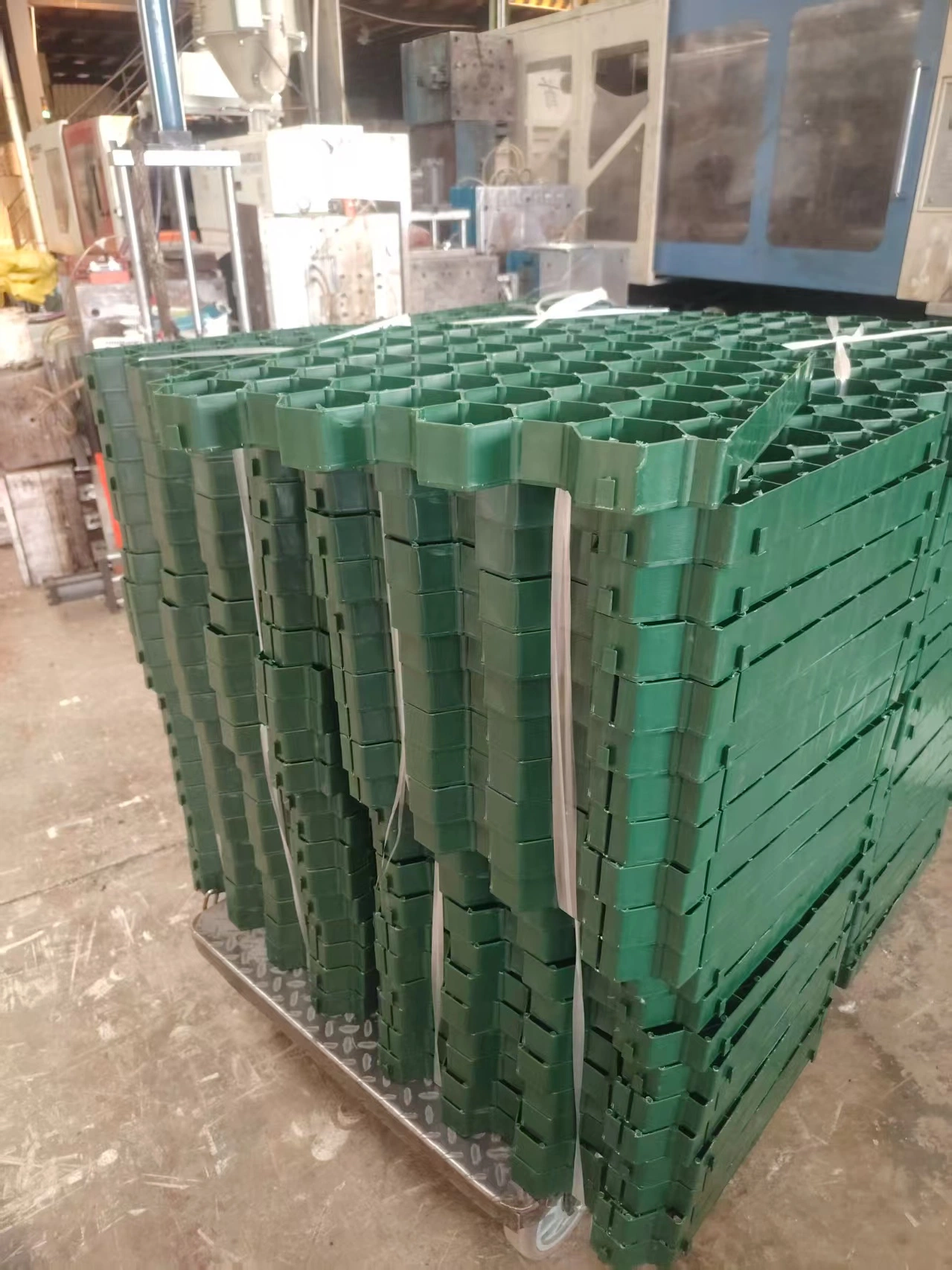
The main material is high-density polyethylene (HDPE), chosen for its toughness, chemical resistance and ability to withstand outdoor UV exposure. UV stabilizers and color masterbatch are added during compounding to improve weather resistance and color consistency. Recycled content can be used for non-critical applications, but load-bearing grades typically use virgin or high-proportion virgin resin.
Pellets are dried to remove moisture, which otherwise causes surface defects or bubbles in the molded part. Color masterbatch is mixed evenly so that each batch has the same green shade.
Cycle time depends on module thickness and machine tonnage. Larger machines can produce multiple cavities per cycle for high-volume orders.
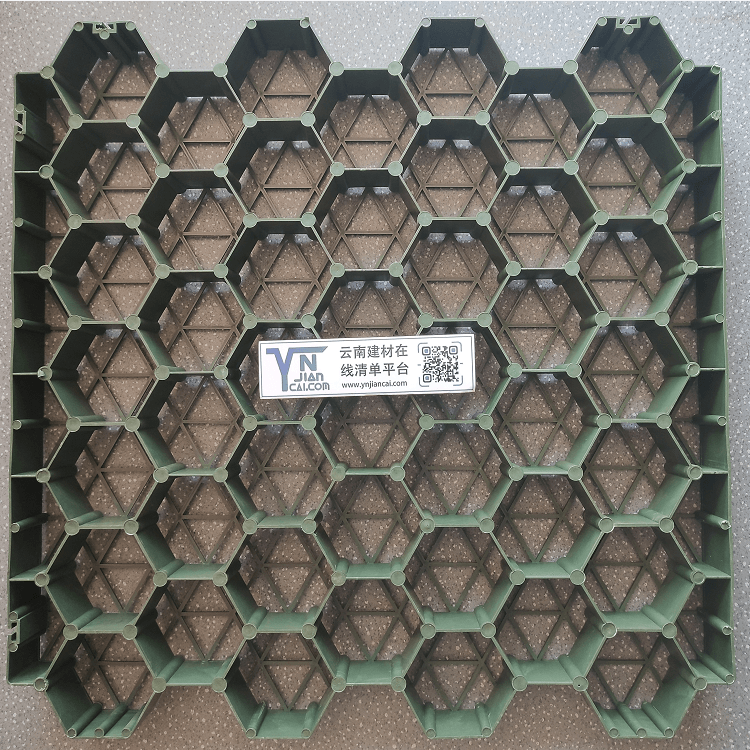
The mold defines cell size, wall thickness, interlocking structure and drainage holes. A well-designed mold ensures tight snap-fit between modules, uniform wall thickness and minimal warpage. Mold maintenance is important to avoid burrs or dimensional drift over long production runs.
Finished modules are bundled and strapped, then stored in a covered area away from direct sunlight and heat sources. Long-term outdoor storage before installation should be avoided because UV exposure can gradually affect surface properties.
For more on grass grid specifications and load-bearing standards, see the grass grid specification article or visit the grass grid product page.
Scan code consultation


 English