



 " />
" />【 WeChat QR code consultation 】
+86 13698775878
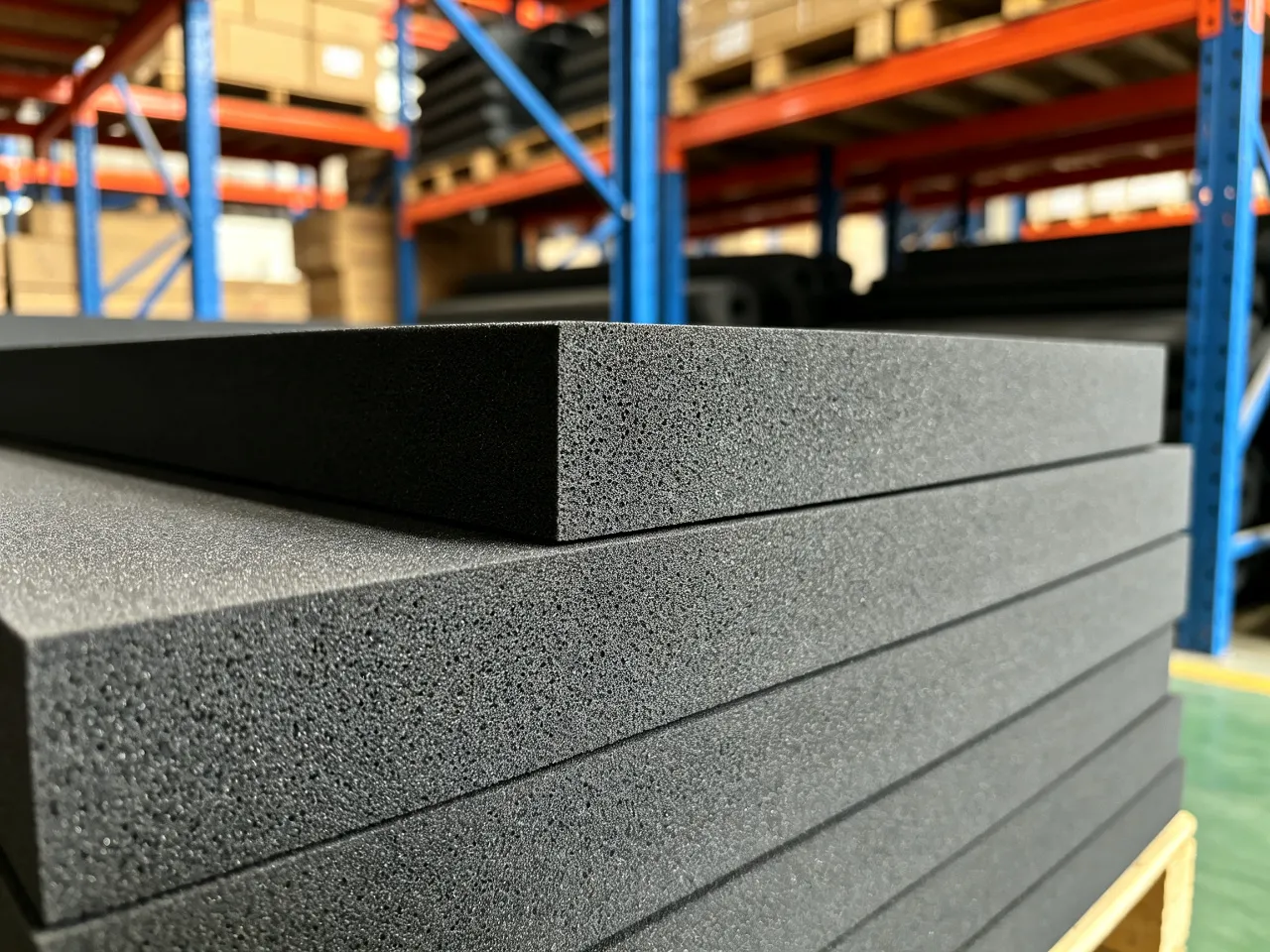
Rubber plastic insulation board is soft and elastic, and is suitable for the cold insulation of pipes, air ducts and equipment. Before installation, clean the surface of the pipe and remove oil and dust. Cut the insulation board to size with a sharp knife. For the pipe insulation, the board should be cut into strips according to the pipe diameter and then wrapped around the pipe tightly. Apply...
Learn more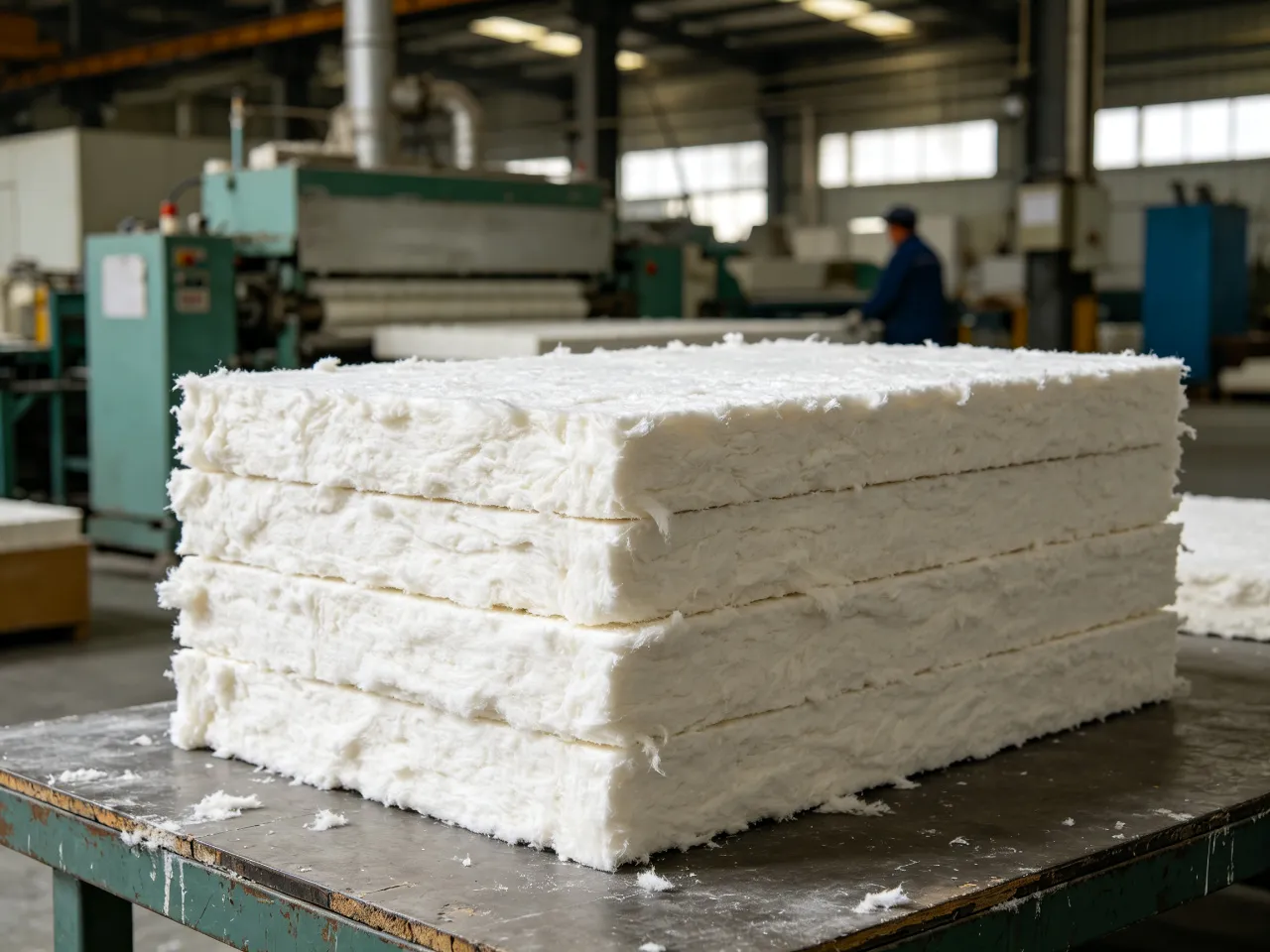
Aluminum silicate fiber board is suitable for the insulation of kilns, furnaces and high-temperature pipes with a temperature below 1000 degrees. The installation must be carried out according to the equipment structure. Before installation, clean the surface of the equipment and check the fixing structure. The board can be fixed with ceramic nails or steel anchors, and the joints between the ...
Learn more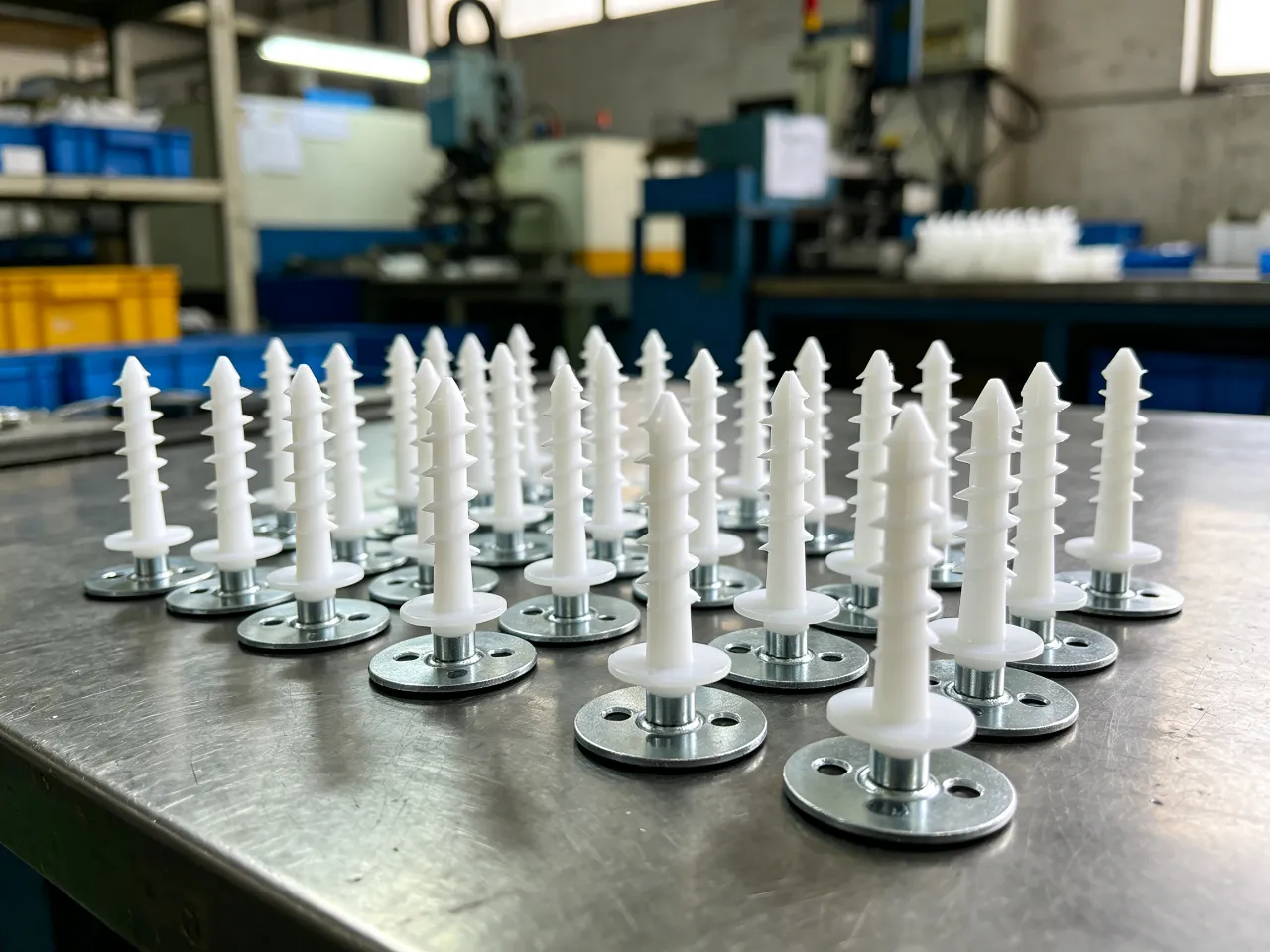
Insulation nails are used together with insulation boards such as rock wool, glass wool and XPS boards. Correct installation ensures the board is firmly fixed and does not fall off during wind load. Drill holes on the wall or roof first with an electric hammer. The hole depth should be slightly deeper than the nail length, and the diameter should match the nail body. Clean the dust in the hole...
Learn more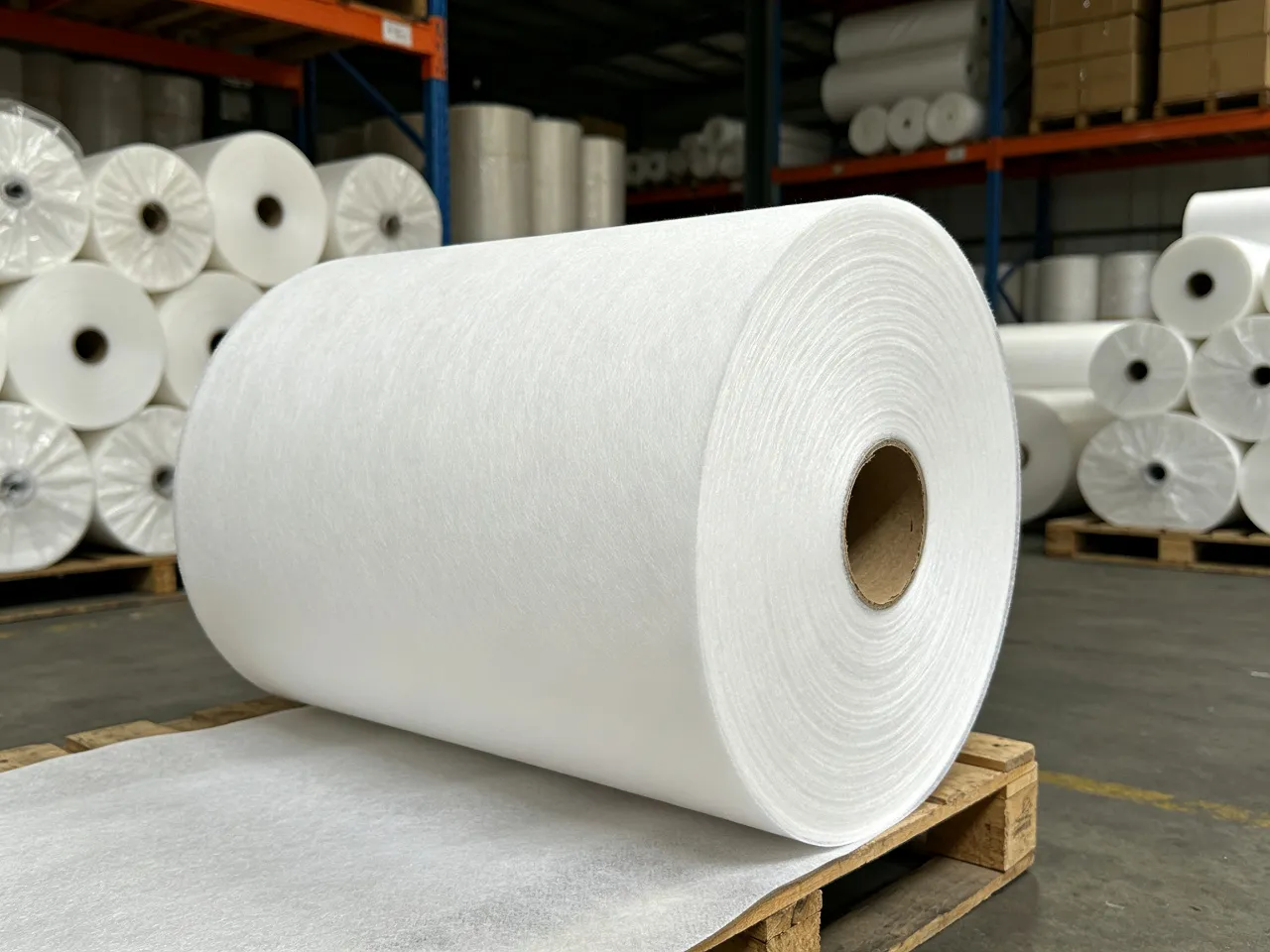
Non-woven geotextile is widely used in roads, railways, dams and landfills for separation, filtration, drainage and protection. Correct laying method directly affects its service effect. Step 1 - Foundation treatment: the foundation surface should be leveled and compacted, and sharp stones and debris that may damage the fabric should be removed. Step 2 - Laying: lay the non-woven fabric flatly...
Learn more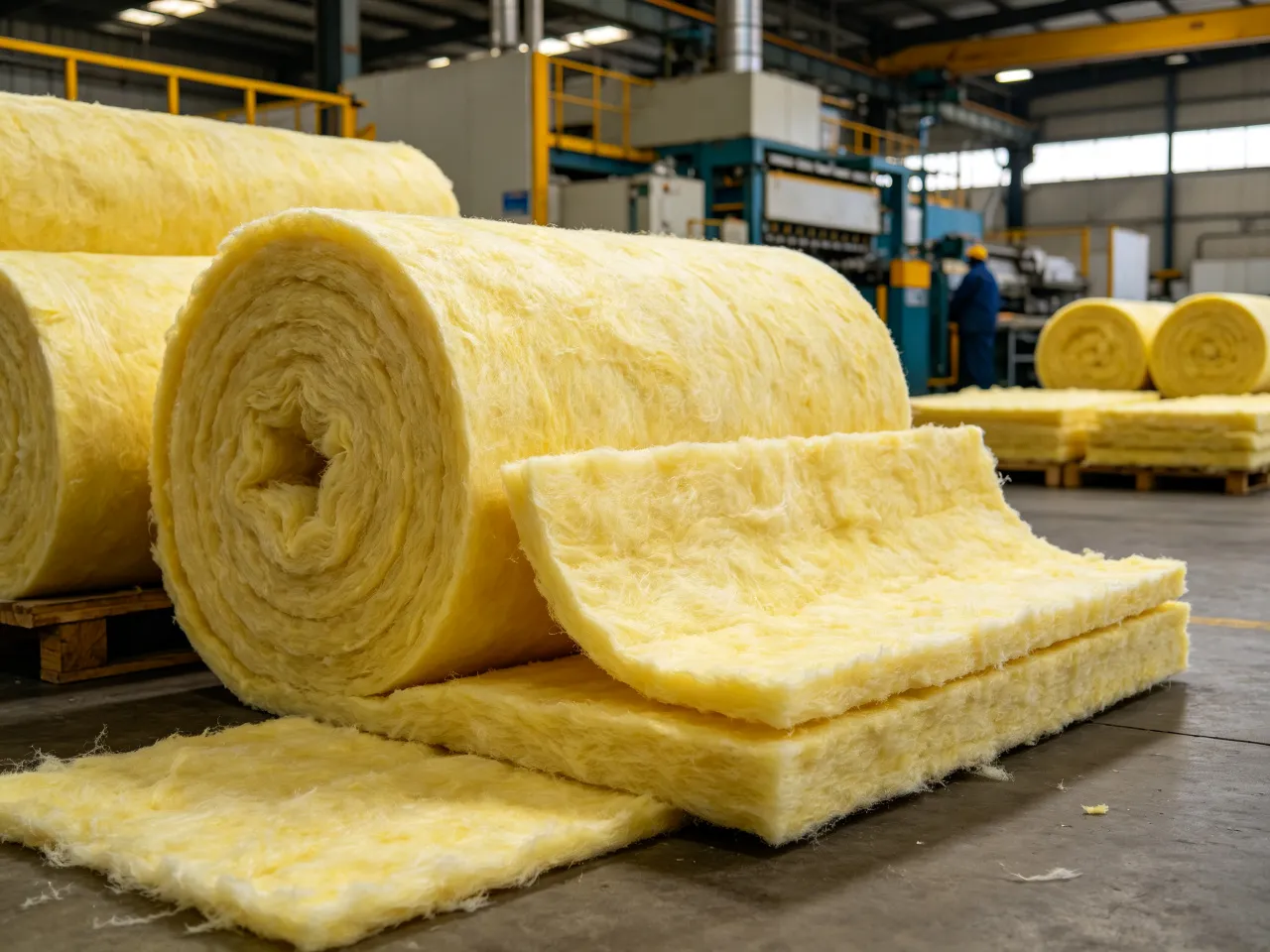
Glass wool is a common thermal insulation and sound absorption material, widely used in building walls, roofs, steel structures and pipe insulation. Correct installation method is very important. Step 1 - Wall insulation: cut the glass wool roll felt according to the wall height, insert it between the wall studs or directly paste it on the wall, and fix it with nails or adhesive. The joints sh...
Learn more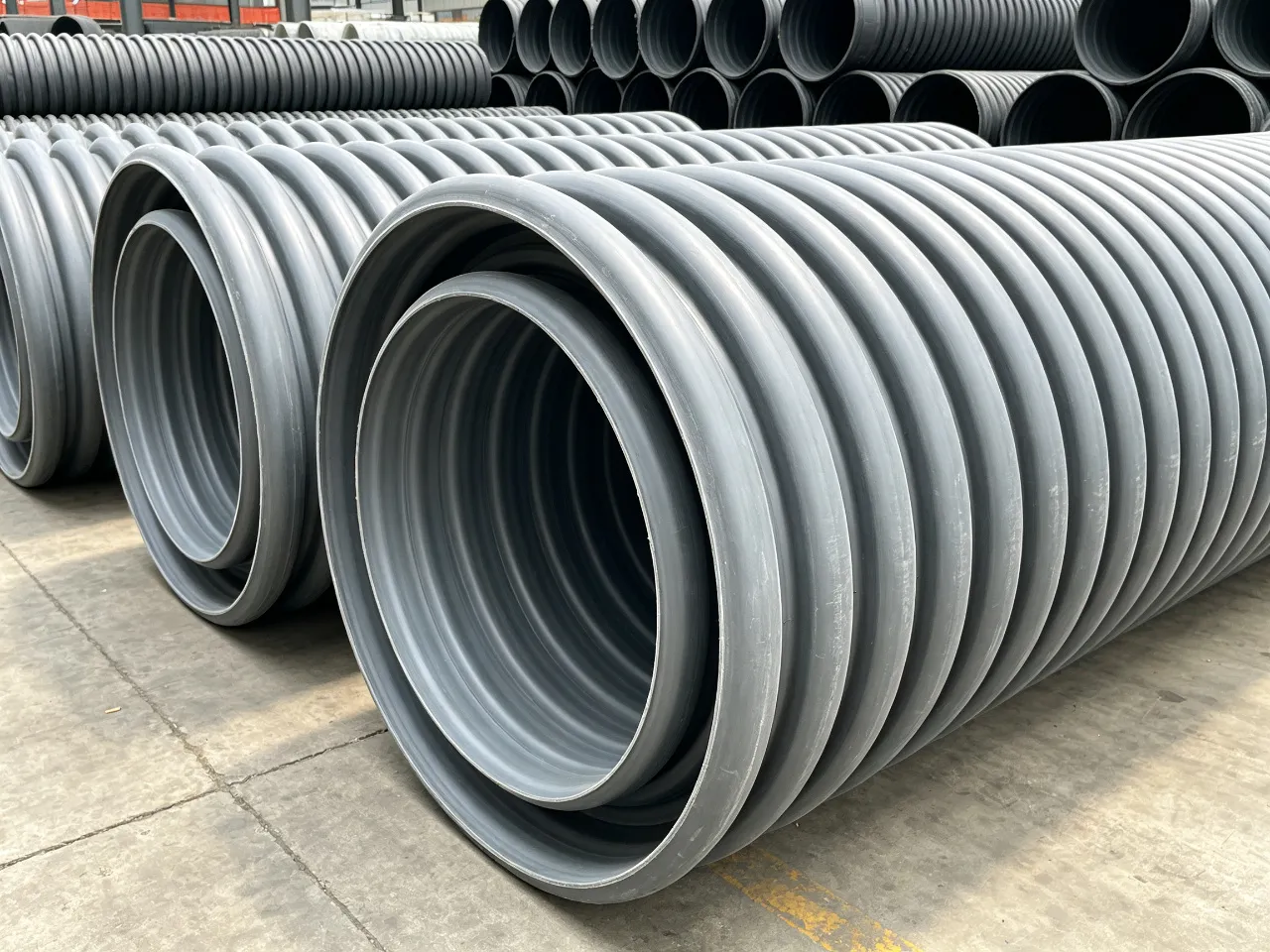
Prestressed corrugated pipe is the duct that forms the channel for prestressed tendons in post-tensioned concrete structures. Correct installation directly affects the tensioning effect and the durability of the structure. Step 1 - Positioning: according to the design drawing, fix the corrugated pipe at the correct position and curve in the beam mold with positioning bars or spacers. The devia...
Learn more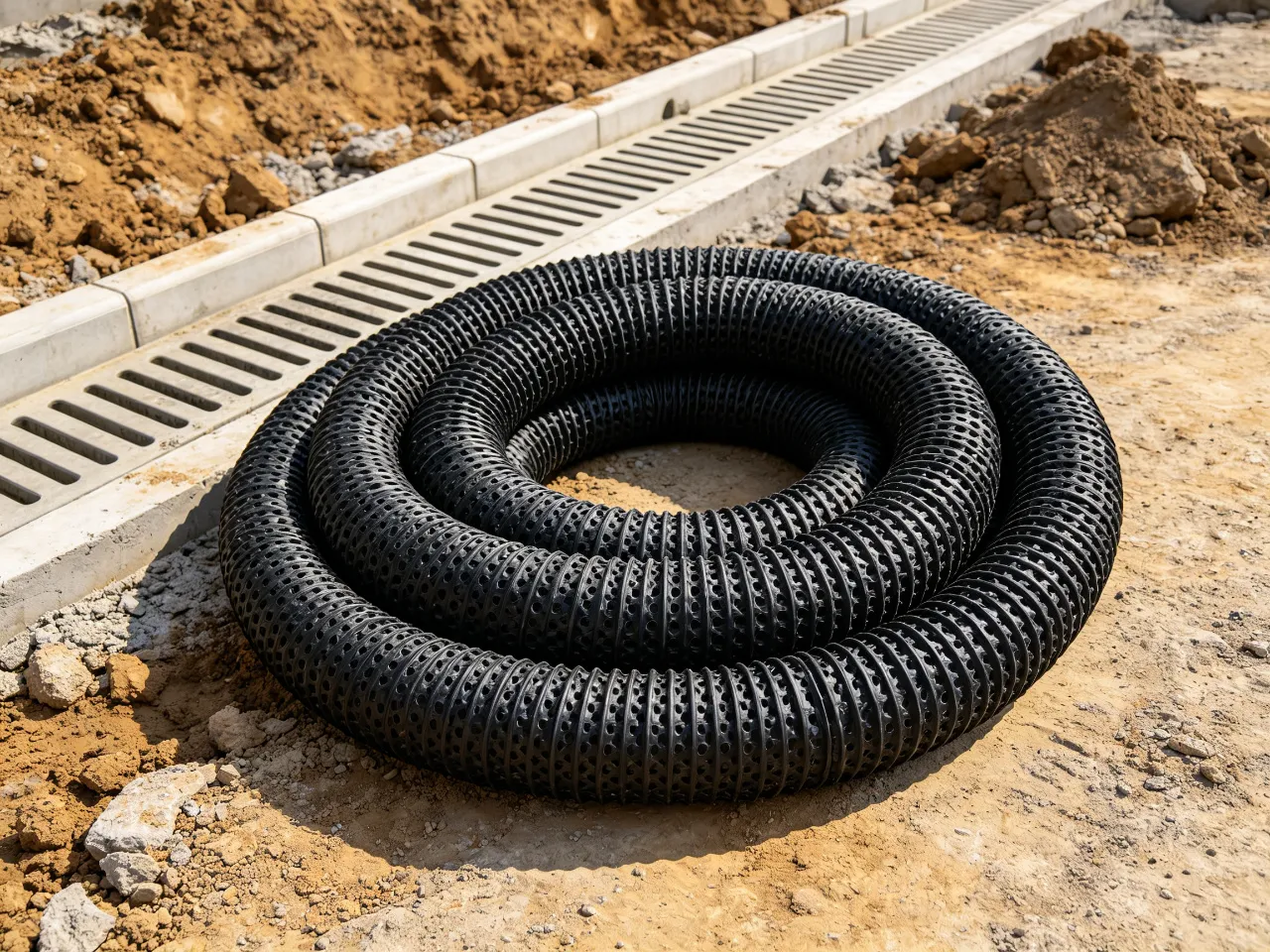
Flexible permeable pipe is widely used in subgrade drainage, slope drainage and landfill leachate collection. Its porous wall allows water to enter from all directions while preventing soil particles from entering. Step 1 - Trench excavation: excavate the drainage trench according to the design, with a longitudinal slope of 0.5%-1% towards the outlet, and level and compact the trench bottom. S...
Learn more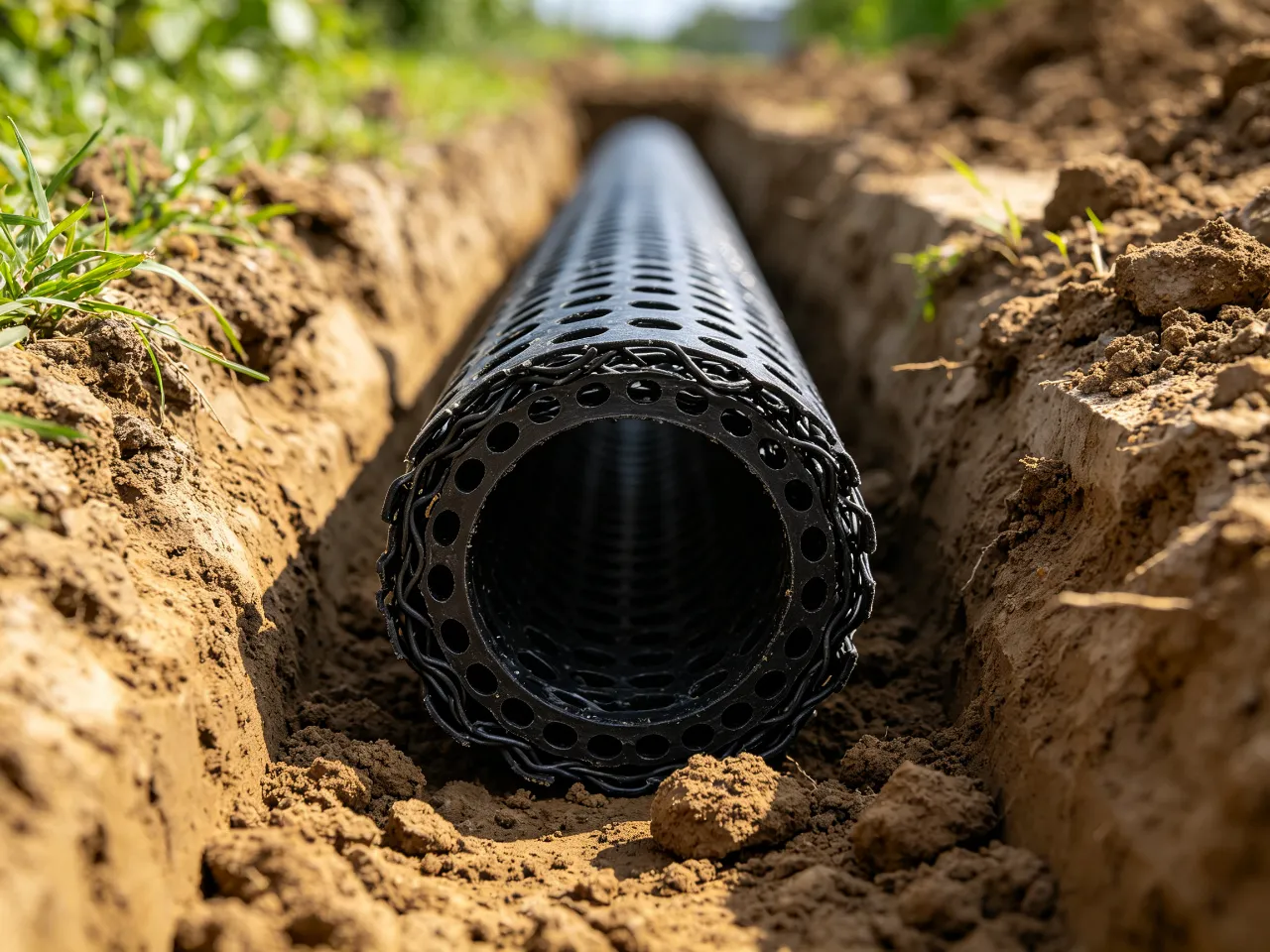
Plastic blind ditch is a drainage material with a three-dimensional porous structure, which replaces the traditional crushed stone blind ditch. It has the advantages of light weight, high strength, good water permeability and easy construction. Step 1 - Trench excavation: excavate the trench according to the design dimensions, and ensure the bottom has the designed longitudinal slope. Step 2 -...
Learn more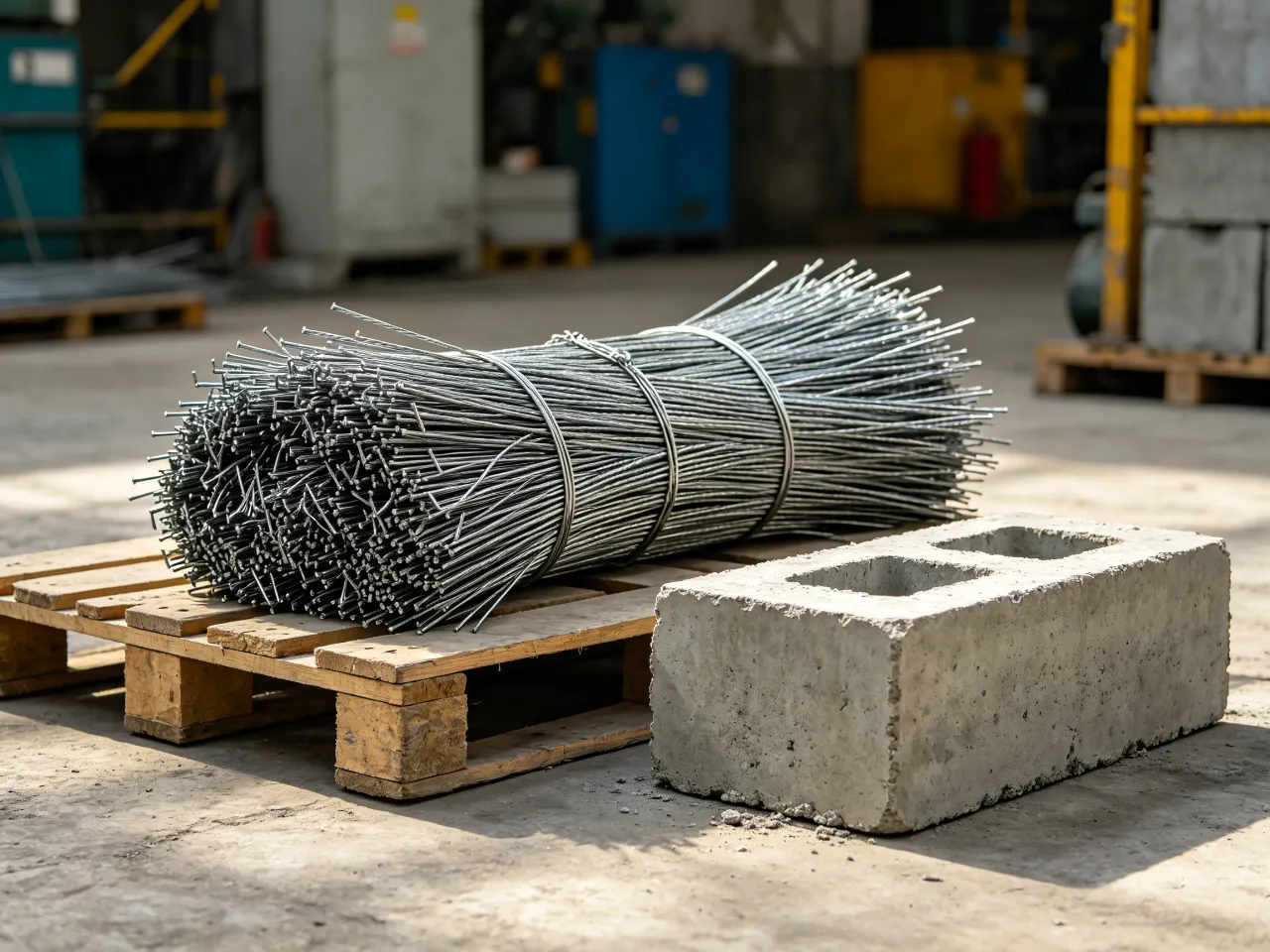
Steel fiber is added to concrete to improve its tensile, bending, impact resistance and crack resistance. Correct mixing method is the key to ensuring the uniform dispersion of fibers. Step 1 - Mixing sequence: the steel fiber can be added together with the coarse aggregate in the mixer, or spread on the belt before the aggregate enters the mixer, so that the fiber is fully mixed with the aggr...
Learn more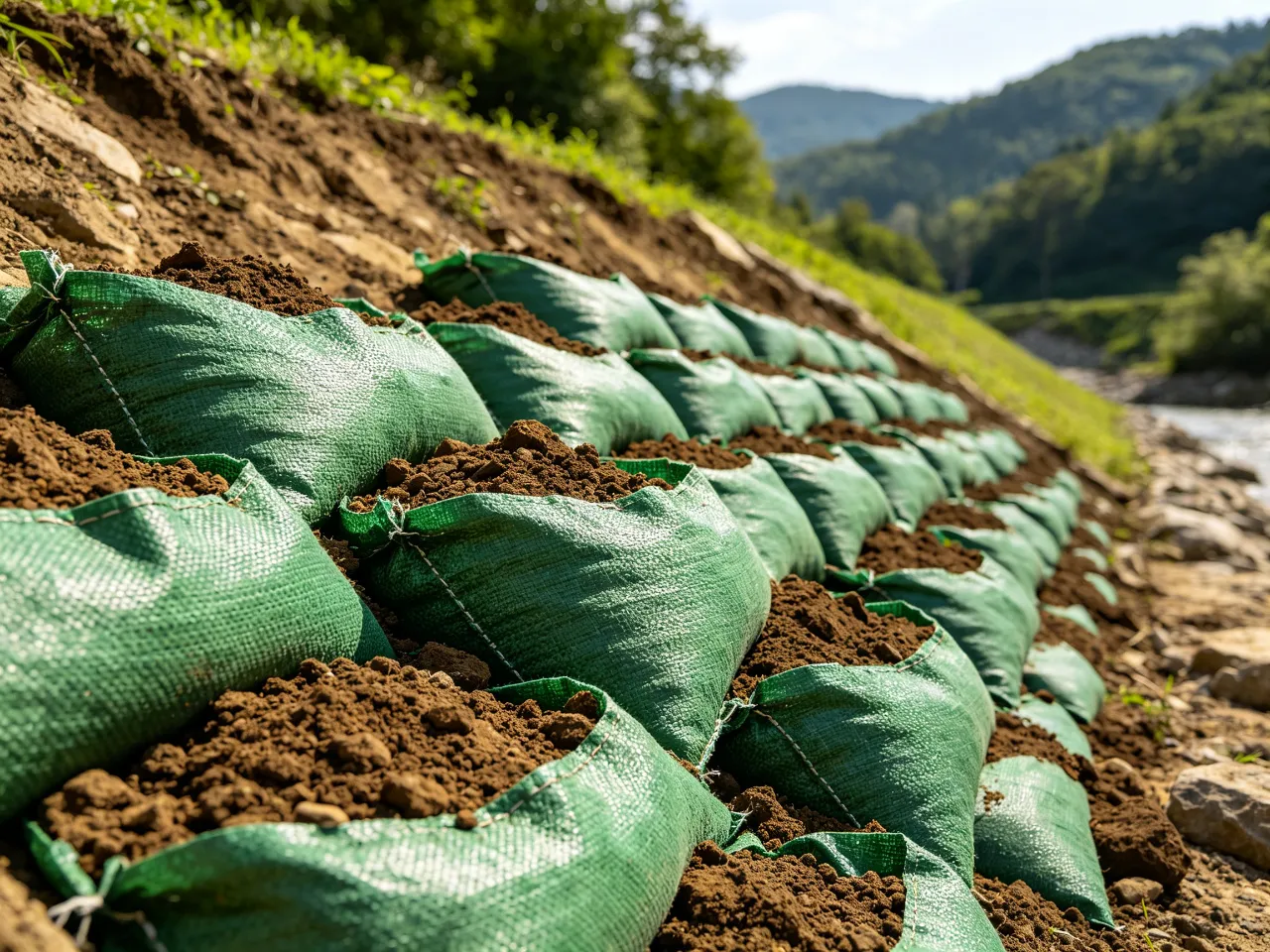
Ecological bag retaining wall is an environmentally friendly slope protection method that combines structural stability with vegetation restoration. It is suitable for river banks, road slopes and mine restoration. Step 1 - Slope preparation: clear and level the slope surface, and excavate the foundation trench at the bottom according to the design to ensure the stability of the first layer of...
Learn moreScan code consultation

 English