




 " />
" />【 WeChat QR code consultation】
+86 13698775878
Grass grid (also called grass paver or grass paving grid) is a cellular plastic grid used to reinforce grass areas that also have to carry loads — parking lots, fire lanes, slopes and lawns. Choosing the right grass grid specification is important because the grid must both protect the grass and support the vehicle or pedestrian load. This article explains the main specifications and performance standards you need to check when you select a grass grid for your project.
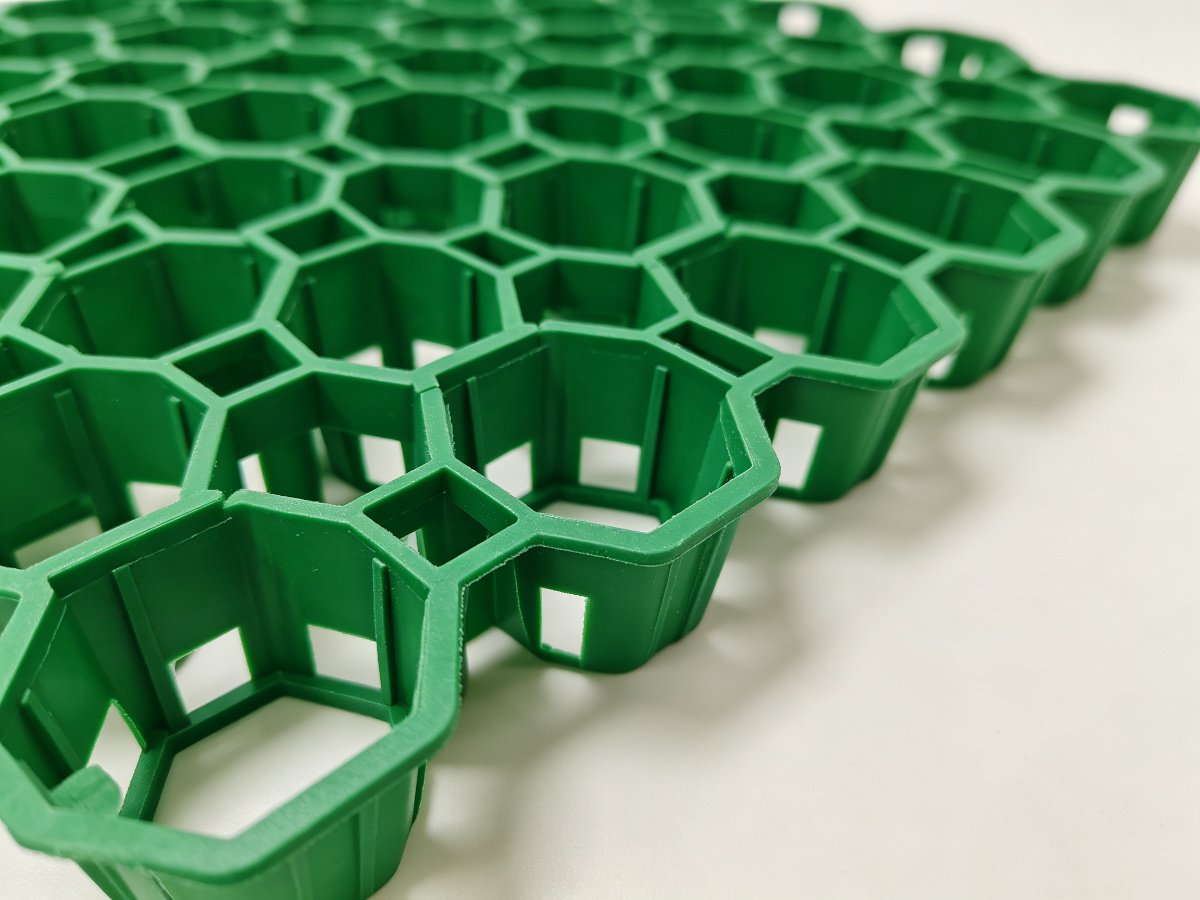
A grass grid is a set of interconnected plastic cells, usually made of recycled high-density polyethylene (HDPE) or polypropylene (PP). The cells are filled with topsoil and grass seed, so the finished surface is a load-bearing green lawn. The grid takes the compressive load from wheels and feet while the soil and roots stay protected inside the cells. Common applications are ecological parking lots, garden driveways, slope greening and fire access roads.
There is no single international standard that covers all grass grids, so buyers should ask the supplier for a test report of compressive strength, UV resistance and low-temperature brittleness. In China, geosynthetic products are generally referenced against the GB/T series standards; a reliable supplier can provide a third-party test certificate for the actual product. Ask for the test method and the measured value, not just a marketing number.
For a full overview of types and applications, see our grass grid & grass paver guide and the grass grid product page.
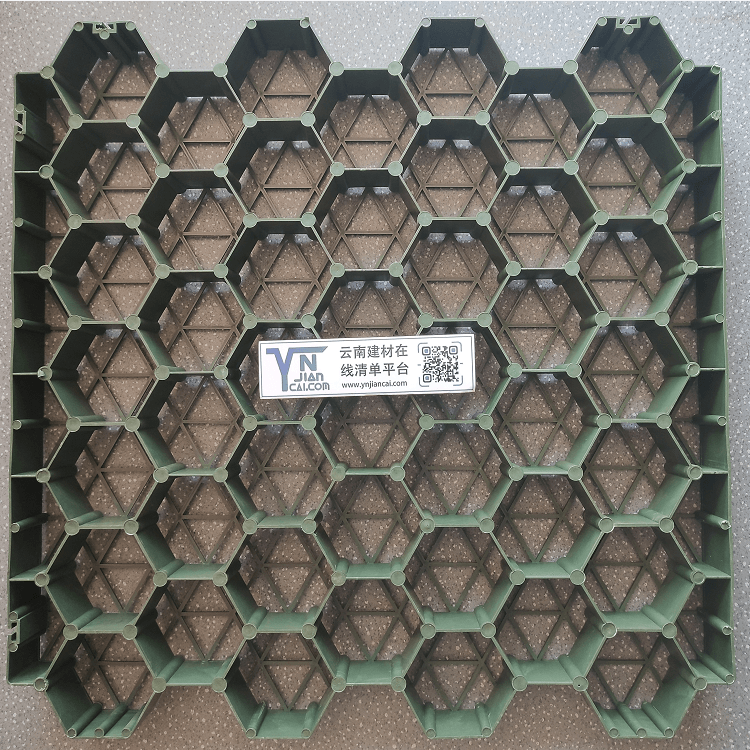
When you order, confirm the panel size, height, cell size, compressive strength and the color (green, black or custom). Inspect a sample for uniform cells, clean edges and strong joints between panels. A well-made grass grid stays flat after years under traffic and keeps the grass healthy. For the installation method, read our grass grid installation guide.
Scan code consultation


 English