



 " />
" />【 WeChat QR code consultation】
+86 13698775878
HDPE geomembrane is a flexible waterproof liner made from high-density polyethylene. It is widely used in water, waste and mining projects where reliable containment is required. This overview introduces its main properties and applications.
HDPE geomembrane has strong resistance to chemicals, good tensile strength and low water permeability. It performs well over a wide temperature range and can be welded into large continuous liners. These properties make it suitable for long-term containment applications.
Typical uses include pond and reservoir liners, landfill base and cover liners, irrigation canals, aquaculture ponds, and mining heap leach pads. In each application the membrane prevents water or liquid from leaking into the surrounding ground.
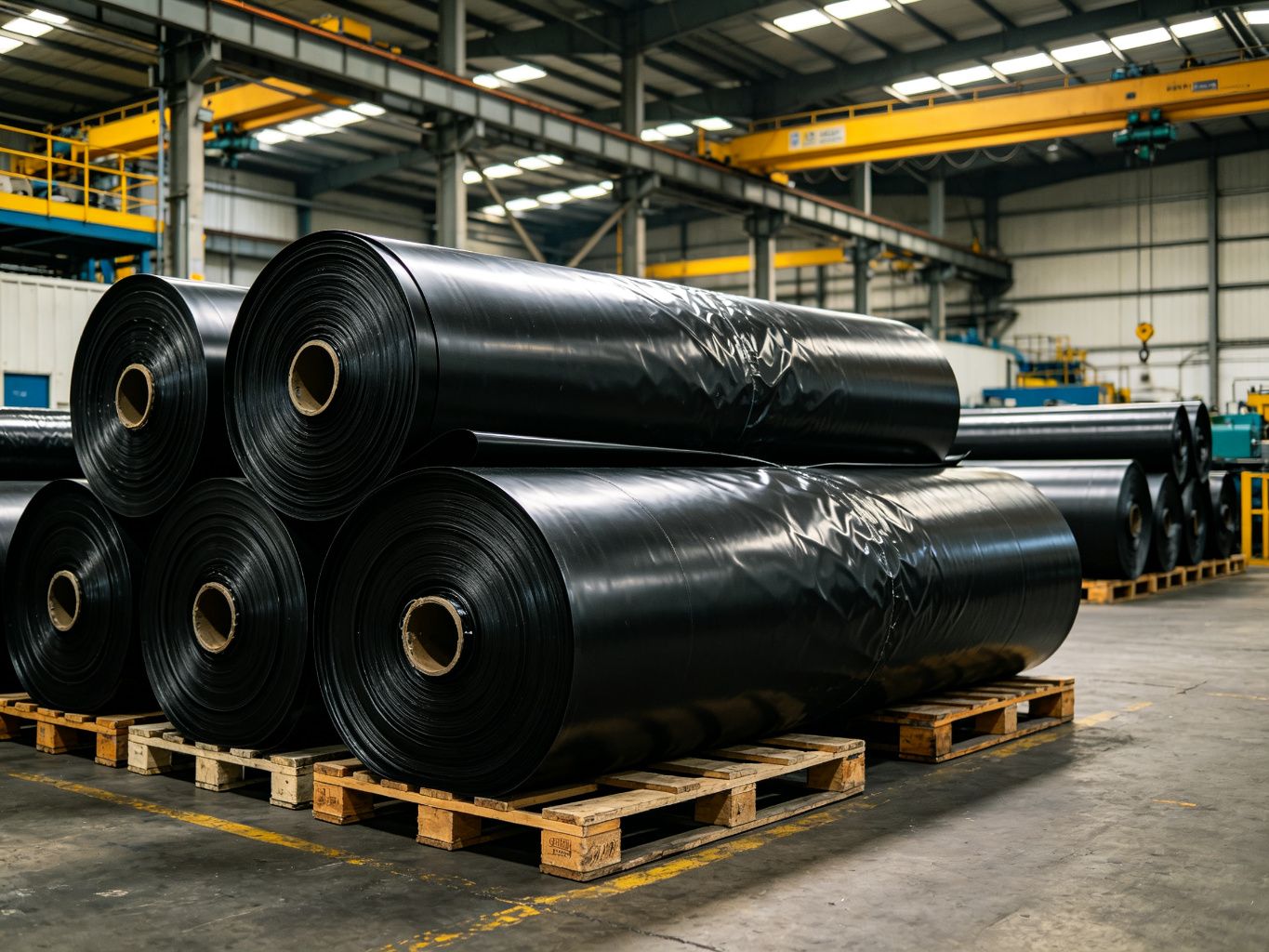
The membrane thickness is chosen according to the project requirement, commonly from 0.5 mm to 2.0 mm. Thicker membranes give higher puncture and tear resistance, while the required thickness is also affected by the subgrade condition and the service load.
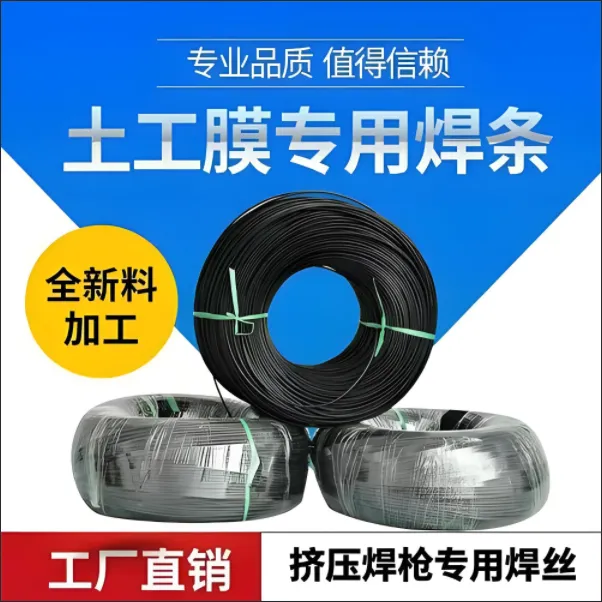
The membrane panels are laid with overlap and joined by hot wedge or extrusion welding. The liner is anchored at the edges with an anchor trench or concrete curb. During installation, the membrane should be protected from wind and sharp objects.
Each roll is tested for thickness, tensile strength and other properties before delivery, and a test report is provided with the batch. For installation details, refer to our geomembrane welding guide. Contact our sales team for sizes and pricing.
Scan code consultation

 English