




 " />
" />【 WeChat QR code consultation】
+86 13698775878
A grass grid driveway combines the strength of a paved surface with a green appearance. The grass grows through the grid cells, while the plastic structure carries the vehicle load. This guide covers the base preparation and paving steps for a long-lasting driveway.
Remove the topsoil and level the area. Compact the subgrade, then add a crushed stone base of about 150-200 mm and compact it in layers. The base must be even and firm, because the load on the grass grid is transferred through the base to the ground.
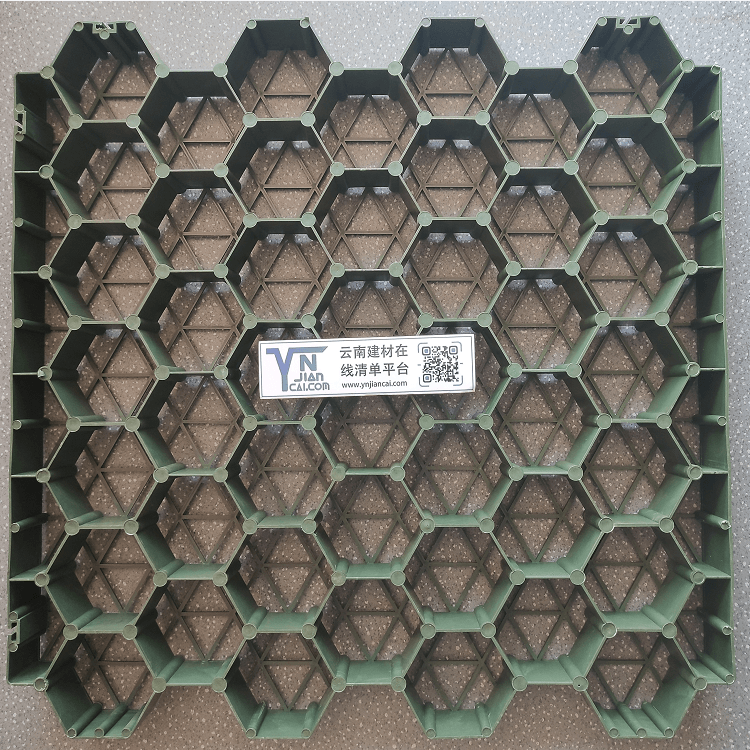
Start from one edge and lay the grass grid panels side by side, locking the connections firmly. Stagger the joints between rows for a stronger surface. Cut panels as needed along the edges, and fill gaps with small pieces so no weak spots remain.
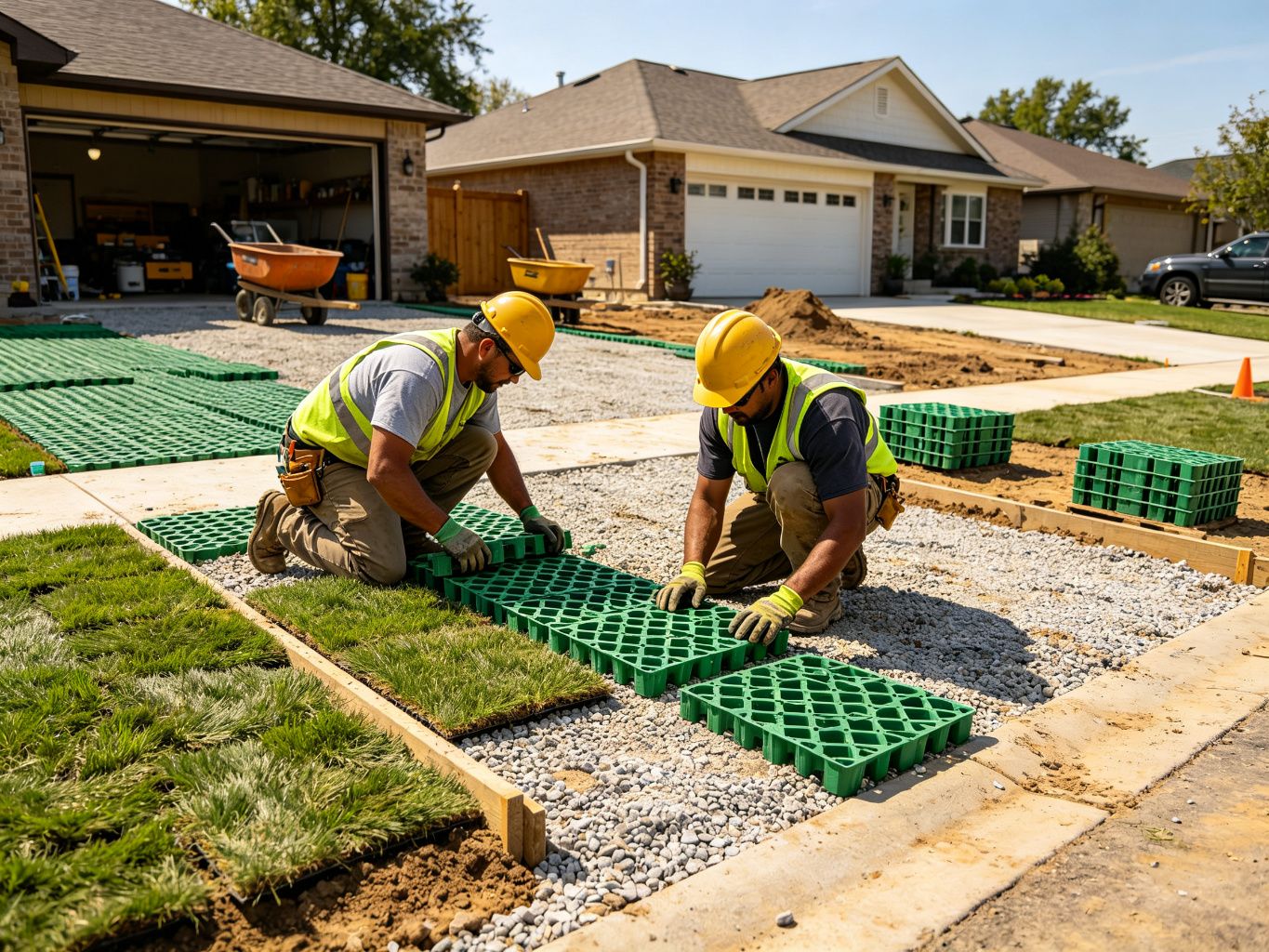
Fill the cells with a mix of topsoil and grass seed, or use pre-grown turf where a fast result is needed. After filling, compact or roll the surface gently and water it. The grass will establish through the cells within a few weeks.
Fix an edge restraint such as a concrete curb or treated timber along the driveway sides. The edge keeps the grid panels in place and prevents the base from spreading under traffic.
Keep the driveway free of heavy static loads during the grass establishment period. Mow the grass at a normal height and refill any empty cells with soil and seed. With proper care, a grass grid driveway stays green and functional for many years.
Scan code consultation


 English