



 " />
" />【 WeChat QR code consultation】
+86 13698775878
Geomembrane welding is the critical step that determines whether an HDPE lining system performs as designed. A poor seam is the most common cause of leakage in anti-seepage projects. This guide covers the key steps and parameters for producing strong, reliable HDPE geomembrane seams.
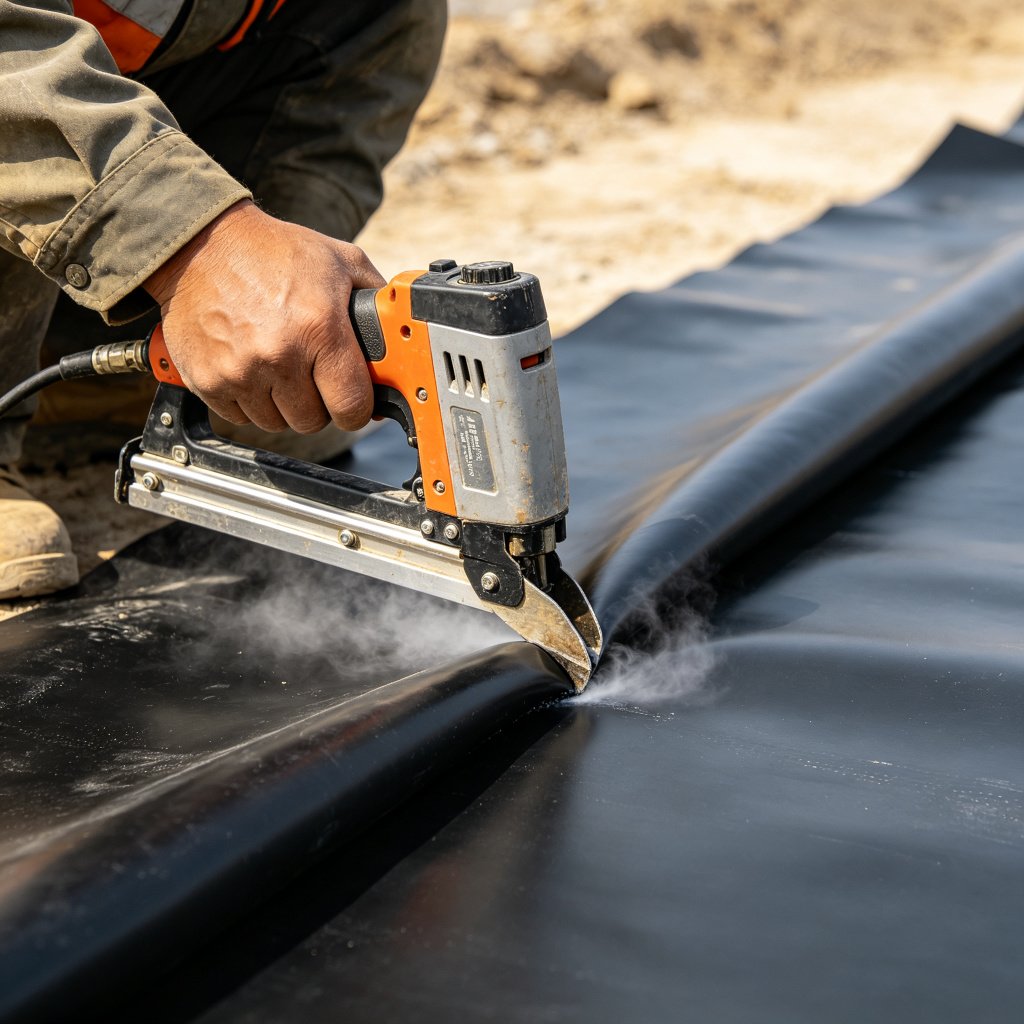
Hot wedge welding is the most widely used method for HDPE geomembranes. A heated wedge melts the two overlapping sheets while pressure rollers fuse them together. It produces a double-track seam with an air channel in the middle, which can be pressure-tested on site.
Extrusion welding is used for repairs, patches, corners and details where a hot wedge cannot reach. A bead of molten HDPE resin is extruded over the joint to fuse the sheets.
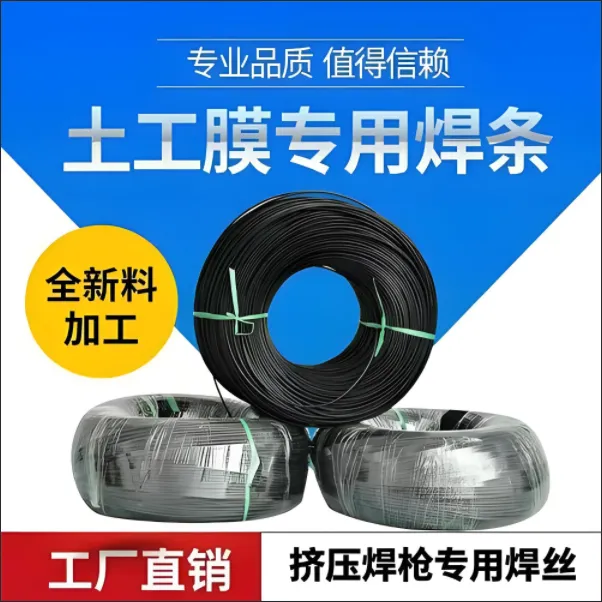
After welding, seams should be tested by air pressure testing for the double-track channel, and by peel and shear tests on sample strips. Only trained operators with calibrated welding equipment should perform seam welding. For repair works, quality HDPE welding rods are essential for a reliable extrusion weld. For the membrane itself, see our HDPE geomembrane products.
Scan code consultation

 English