Geomembrane welding is a critical step in any waterproofing project. Choosing the right welding method directly affects seam quality, leak resistance, and project lifespan. This guide compares the two most common geomembrane welding techniques used in landfill, pond lining, and slope protection projects.
Hot Wedge Welding (Double Track)
Hot wedge welding uses a heated wedge to melt the overlapping liner surfaces simultaneously, creating two parallel weld tracks with an un-welded test channel between them. This method is suitable for smooth HDPE, LDPE, and LLDPE geomembranes with thicknesses of 1.0mm to 3.0mm.
- Advantages: Fast welding speed (1-5 m/min), consistent double-track seam, automatic air channel for leak testing
- Best for: Flat or gently sloped surfaces, large-area liner installation
- Equipment: Self-propelled hot wedge welder with adjustable temperature and speed controls
Extrusion Welding (Rod Welding)
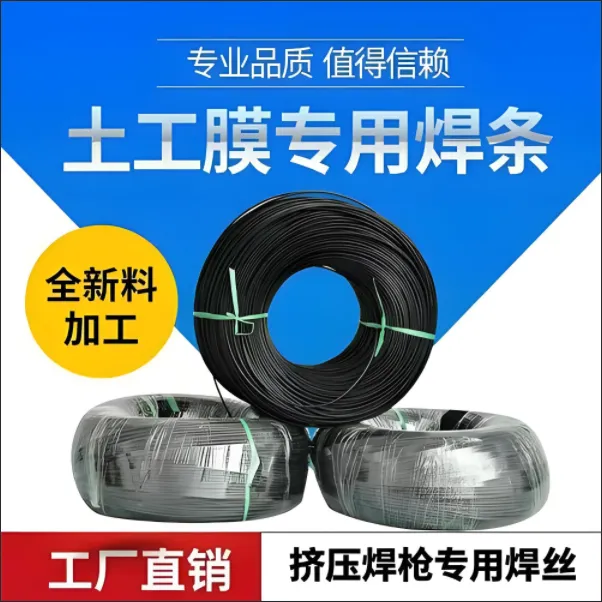
Extrusion welding uses a hand-held extruder to melt a welding rod of the same polymer as the liner, depositing molten material into the seam. This method is ideal for complex details, corners, and repairs.
- Advantages: Works on vertical surfaces, around penetrations, and on textured surfaces
- Best for: Seam repairs, T-junctions, around pipes and concrete structures
- Material: Matching HDPE welding rod for compatible fusion
Which Method to Choose?
Most projects combine both methods: hot wedge welding for the main flat seams, and extrusion welding for corners, details, and repairs. Always follow the manufacturer's temperature and speed recommendations, and perform a test weld before production welding begins.
For more information on geomembrane specifications, visit our HDPE geomembrane product page or contact our technical team.



 " />
" />
 English