




 " />
" />【 WeChat QR code consultation】
+86 13698775878
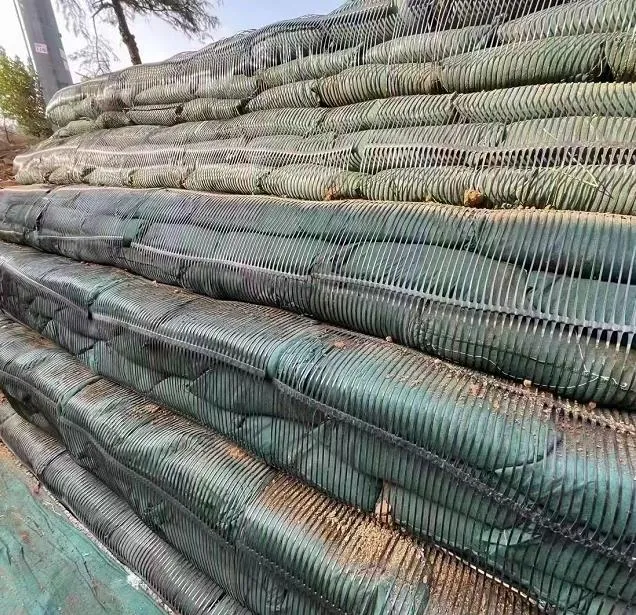
A key challenge for broader acceptance of geosynthetic materials in the industry is not only to use them in flagship projects, but also in smaller day-to-day projects. To this end, we must help design engineers quantify the benefits of geogrids, and this is especially true for stabilization applications. In the geosynthetic materials industry, all major suppliers provide a large amount of research and test data. Scholars and universities also conduct field and laboratory tests. The challenge is to apply this data in a practical, repeatable way on construction sites. Overuse of rule-of-thumb processes. Although many of these generalizations are accurately based on specific test data, they are not precise enough for design engineers to use when signing off on projects. Lack of understanding of actual engineering functions. Knowing that a process works but not understanding why usually hinders development and progress. We want to quantify and explain specific engineering functions.
Applying field and laboratory tests in real life. Full-scale laboratory or large-scale field tests in foundation applications have a large number of variables. These include subgrade material, moisture content of that material, type and grade of geosynthetic material, type, thickness and angularity of base aggregate used. Whether geotextile provided separation, and what compaction was achieved afterwards? Each variable affects the results, and if we cannot fully replicate them at your specific project site, then the results of these tests are a challenge to apply. The speed and accuracy of available test methods may not be recognized by the market because they have developed so rapidly in recent years.
Pavement applications of geosynthetic materials are usually aimed at extending pavement service life by reducing rutting. There is already quantifiable data in this regard, but not as much for shallow foundation applications (such as raft foundations).
For pavement reinforcement, we need to work closely with design engineers to determine what output they need, and set up a trial area on site. We can conduct tests on dense sand lower foundations, silty loam layers and raft test sections. Based on these results, design engineers can provide accurate subgrade reaction modulus and stiffness of each layer for floor slab designers. Although saving money on sites using geosynthetic materials is not a new concept, a key benefit is the ability to carry out commercial development in smaller areas, something that happens every day.
The demand for shallow aggregate raft foundations in residential and commercial applications has increased significantly, mainly for mitigating earthquake effects, especially liquefaction. Due to limited recommendations on what to use, a typical solution suggests using special aggregate, which is rarely used in residential or commercial. But if other materials are used, this will significantly change the performance of the raft and its interaction with geogrid.
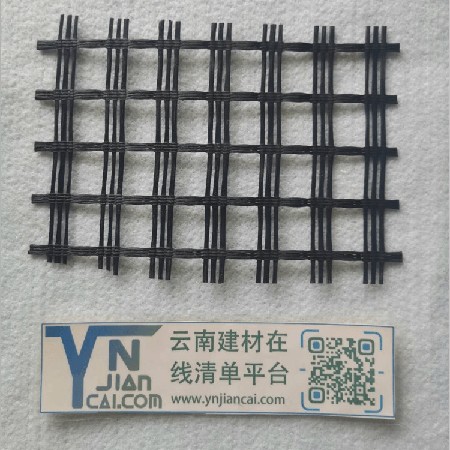
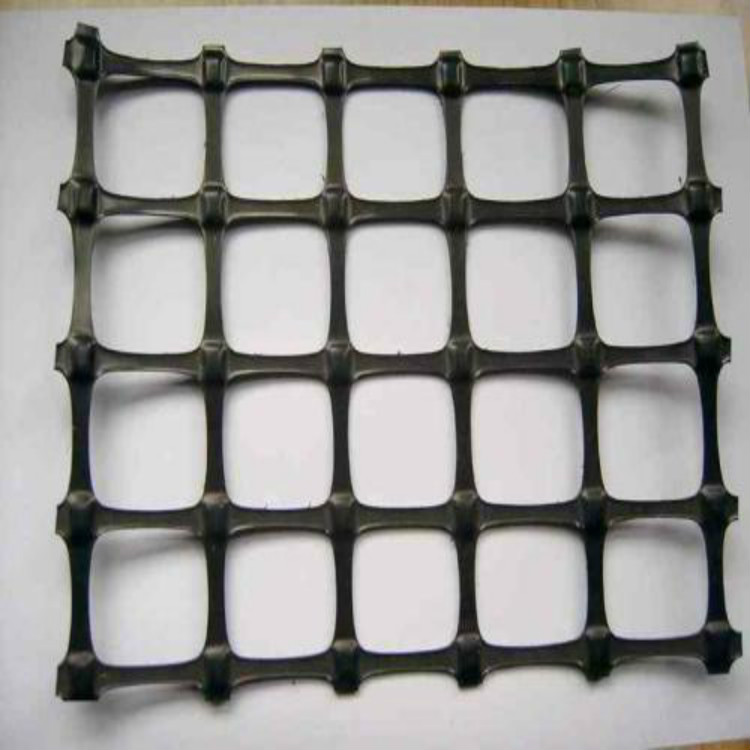
From this, we were able to quantify the benefits of using geogrid between the control section and 400mm and 600mm raft foundations in this application. We can compare the use of commonly used biaxially stretched geogrids and can help engineers clarify the specifications that can be used.
In summary, the benefits of geogrids in pavement or foundation applications will be reinforcement, stabilization, or a combination of both. These benefits are measurable and comparable engineering functions, and in some cases simpler and cheaper than we think.
Scan code consultation


 English