





【 WeChat QR code consultation 】
+86 13698775878
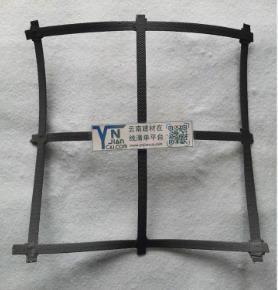
Steel-plastic geogrid is priced based on tensile strength (unit: KN). If you need other specifications, you can select others and then note in the remarks.
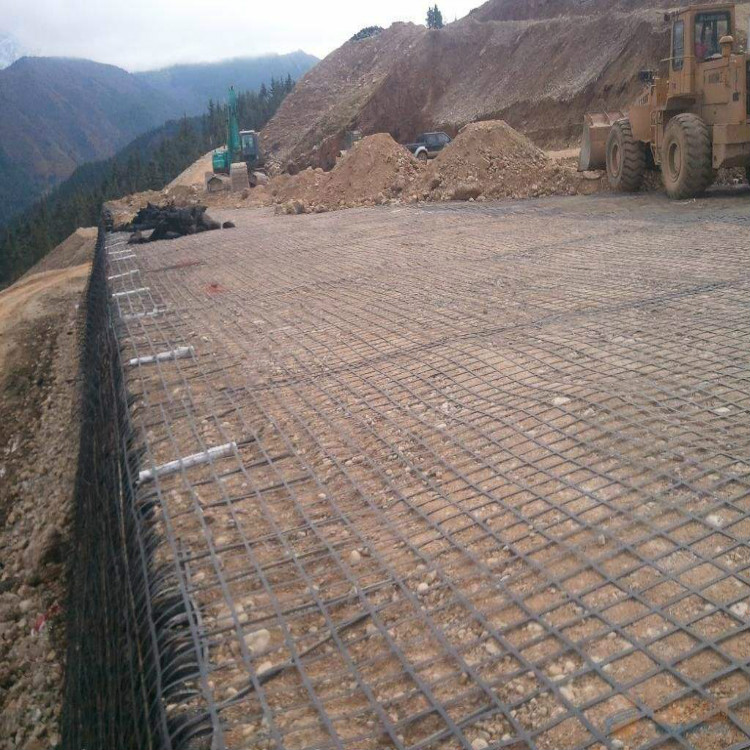
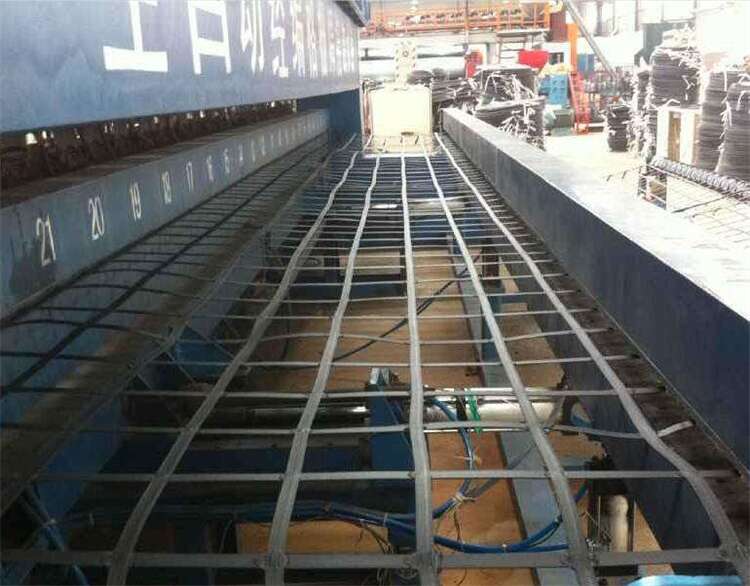
1. The tensile force of steel-plastic geogrid is borne by high-strength steel wires woven in warp and weft, producing extremely high tensile modulus under low strain capacity. The longitudinal and transverse ribs work synergistically to fully exert the interlocking effect of the geogrid on soil.
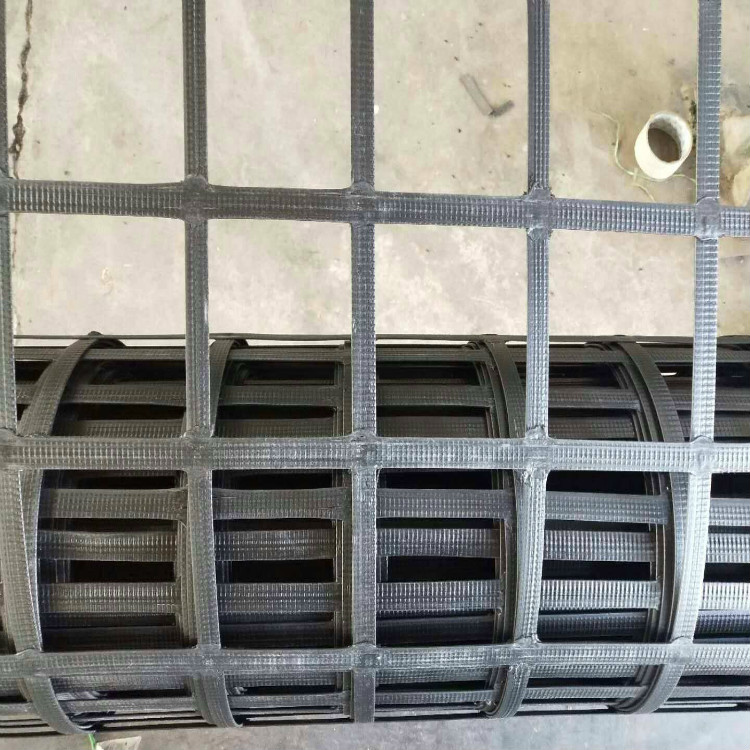
2. The longitudinal and transverse ribs of steel-plastic composite geogrid are woven into a mesh with steel wires, and the outer wrapping layer is formed in one step. The steel wires and outer wrapping layer can work coordinately, with very low elongation at break (no more than 3%). The main stress-bearing unit of steel-plastic composite geogrid is steel wire, with extremely low creep.
3. Through the treatment of plastic surface during production, rough patterns are pressed to enhance the roughness of the geogrid surface and improve the friction coefficient between steel-plastic composite geogrid and soil.
4. The width of steel-plastic composite geogrid can reach 6m, achieving efficient and economical reinforcement effects.
5. The high-density polyethylene used in steel-plastic composite geogrid ensures that: at room temperature, it will not be eroded by acid-base and salt solutions, or oils; it will not be damaged by water dissolution or microorganisms. At the same time, the high molecular properties of polyethylene are sufficient to resist aging caused by ultraviolet radiation. After the geogrid is stressed, the longitudinal and transverse ribs work synergistically without node tensile cracking or damage. In actual engineering, after compaction of the filler, it is not eroded by ultraviolet light and oxygen, so it can fully meet the requirements of permanent engineering construction.
Engineering application fields: Soft soil foundation reinforcement, retaining walls, and pavement anti-cracking engineering for highways, railways, bridge abutments, approach roads, terminals, dams, slag yards, etc.
Scan code consultation


 English