




 " />
" />【 WeChat QR code consultation】
+86 13698775878
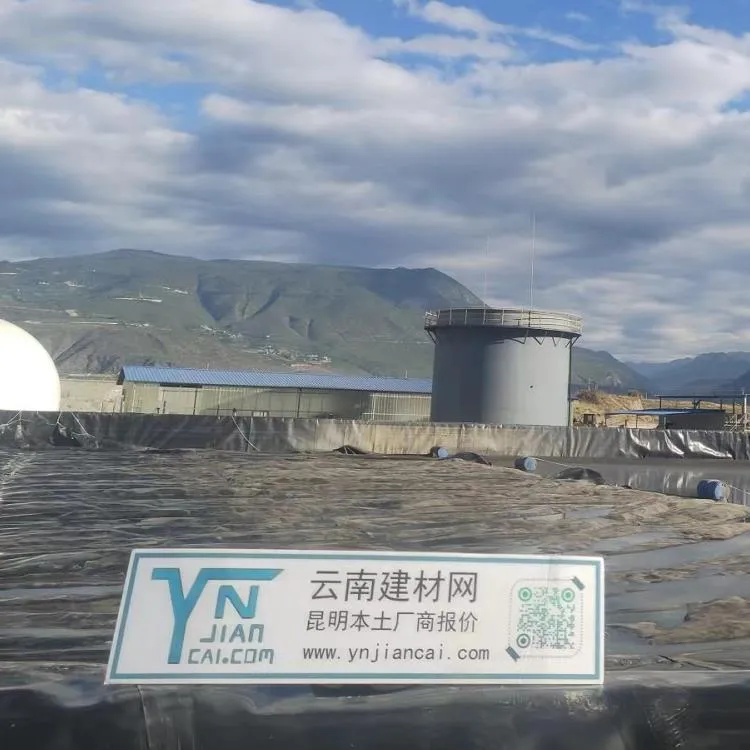
The pollution of industrial waste is particularly serious. It usually contains many chemical elements that we do not commonly see, and some can cause damage to human skin or body. Its degree of harm has exceeded that of domestic waste. If not properly disposed of, it will cause irreversible consequences to the environment, especially for soil, groundwater, etc., circulating back and forth, and will eventually cause serious harm to us.
In industrial waste, the concentrations of toluene, mesitylene, and xylene are relatively high, reaching 0-0.002mg/L. In current industrial waste storage sites, the more common pollutant underground is chlorinated solvents, and this type of organic matter is mainly discharged and infiltrated through sewage pipes. For the prevention and control of industrial waste sewage, the method we adopt is to use geomembrane with a thickness of more than 2.0mm for anti-seepage and covering, wrapping these pollutants in a closed space.
In earlier years, the method adopted by our landfills was to lay HDPE geomembrane as the main anti-seepage material. At that time, the design was relatively single, but with the strengthening of environmental protection work, current pollution sites, tailings, garbage sites, storage sites, etc., have been changed to one or more layers of geomembrane and waterproof blanket laying. The benefit of this approach is that the polluted liquid that permeates the first layer can be prevented from permeating by the second or third layer, thereby preventing sewage from entering the ground.
From this, it can be seen that when polluted liquid is treated, pollution prevention can be achieved through a complete treatment process and system. The use of geomembrane can usually last for decades, effectively preventing underground pollution, and is now a relatively mainstream means of garbage sewage treatment.
Scan code consultation


 English