What Is a GRS Wall
A geogrid-reinforced soil (GRS) retaining wall uses layered geogrid embedded within compacted fill to create a stable soil mass that behaves as a coherent structural element. The facing only provides erosion protection; the reinforcement does the structural work.
Geogrid Types
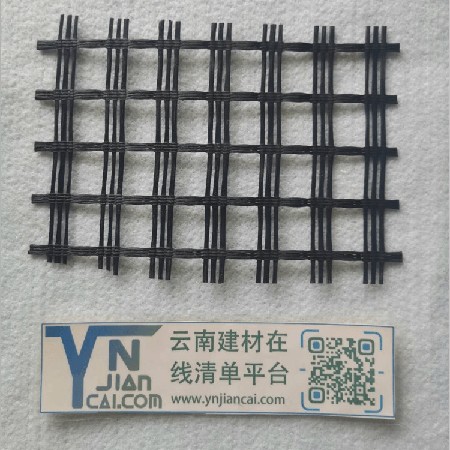
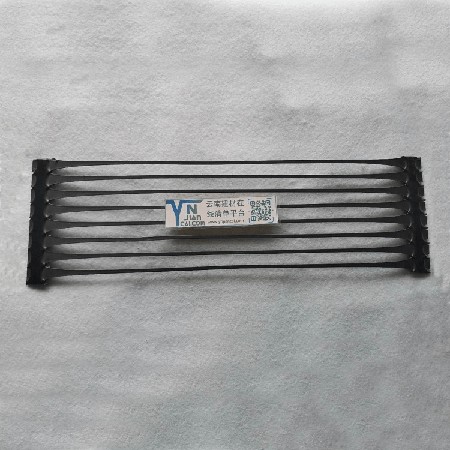
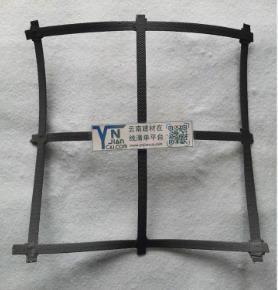
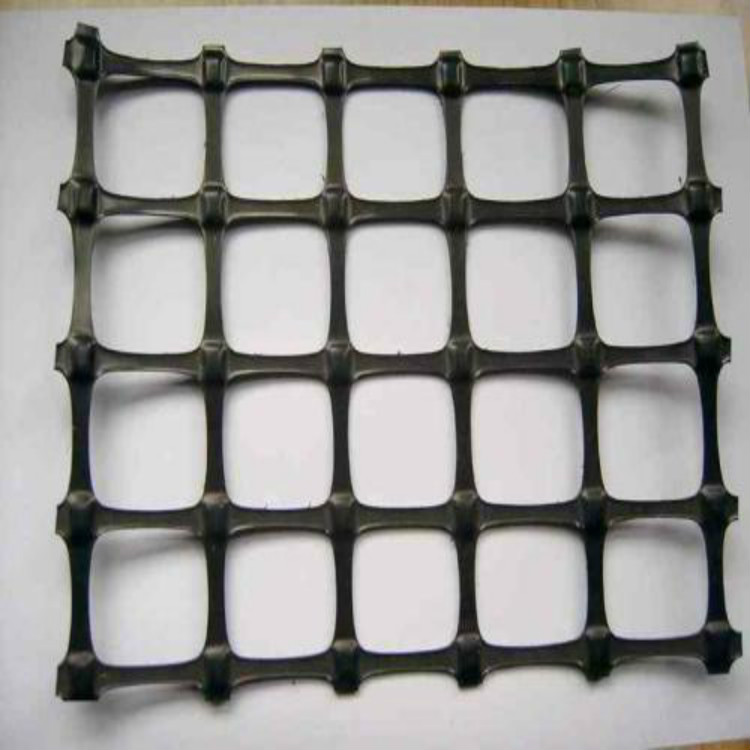
Biaxial plastic geogrid (PP or HDPE) is the most common choice for GRS walls, offering equal strength in both machine and cross-machine directions. For wall heights over 6 meters, welded steel-plastic composite geogrid may be specified.
Reinforcement Layout
Vertical spacing typically ranges from 0.2 to 0.6 meters, with each geogrid layer extending back from the face a length determined by slope stability analysis. The bottom layer should sit on a stable foundation, and the top layer must extend above the backfill slope.
Applications
GRS walls are widely used for highway embankments, bridge abutments, slope stabilization and hydraulic structures. They are cost-effective compared to concrete cantilever walls and perform well in seismic zones.
Related: geomembrane for waterfront GRS wall faces, and geotextile for soil separation behind facing.





 " />
" />

 English