



【 WeChat QR code consultation 】
+86 13698775878
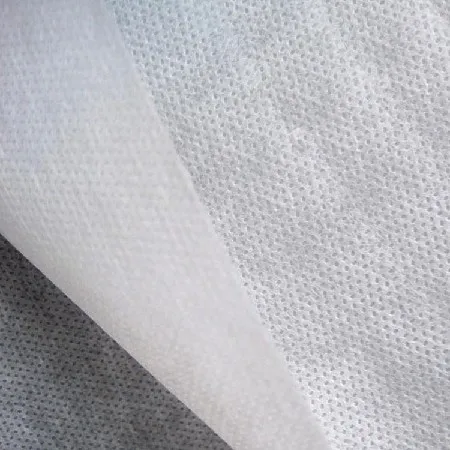
There are many production processes for the manufacture of non-woven fabric, among which the spunbond method is one of the non-woven fabric production processes (including spunbond method, meltblown method, hot rolling method, spunlace method, most of the non-woven fabrics on the market now are produced by spunbond method)
Non-woven fabrics, according to composition, include polyester, polypropylene, nylon, spandex, acrylic, etc.; different compositions will have completely different non-woven fabric styles. Spunbond fabric usually refers to polyester spunbond and polypropylene spunbond; and the styles of these two fabrics are very close, and can only be distinguished through high temperature testing.
Non-woven fabric is a type of non-woven fabric. It directly uses polymer chips, short fibers or filaments to form fibers into a web through air flow or machinery, then through spunlace, needle punching, or hot rolling reinforcement, and finally after finishing to form a non-woven fabric. It is a new type of fiber product with soft, breathable and planar structure. Its advantages are no fiber debris, strong, durable, silky softness, and it is also a type of reinforcing material. It also has a cotton-like feel. Compared with cotton fabrics, non-woven fabric bags are easy to form and cheap to manufacture.
Advantages:
1. Light weight: Using polypropylene resin as the main production raw material, the specific gravity is only 0.9, only three-fifths of cotton, with fluffiness and good hand feel.
2. Soft: Composed of fine fibers (2-3D), formed by light point hot melt bonding. The finished product has moderate softness and comfort.
3. Water repellent, breathable: Polypropylene chips do not absorb water, water content is zero, the finished product has good water repellency, composed of 100% fibers with porosity, good breathability, easy to keep the fabric surface dry, easy to wash.
4. Can purify air, using the advantage of small pores to keep bacteria and viruses out.
5. Non-toxic, non-irritating: The product is produced with FDA food-grade raw materials, does not contain other chemical components, stable performance, non-toxic, odorless, non-irritating to the skin.
6. Antibacterial, chemical resistant: Polypropylene is a chemically inert substance, not eaten by insects, and can isolate the erosion of bacteria and insects in the liquid; antibacterial, alkali corrosion, the finished product will not affect strength due to erosion.
7. Antibacterial property. The product has water repellency, does not mildew, and can isolate the erosion of bacteria and insects in the liquid, not mildewed or eaten by insects.
8. Good physical properties. Made of polypropylene spunbond directly laid into a web and hot melt bonded, the product strength is better than ordinary short fiber products, strength is non-directional, longitudinal and transverse strength are similar.
9. In terms of environmental protection, the raw material of most non-woven fabrics used is polypropylene, while the raw material of plastic bags is polyethylene. Although the two substances have similar names, they differ greatly in chemical structure. The chemical molecular structure of polyethylene has quite strong stability and is extremely difficult to degrade, so plastic bags need 300 years to decompose completely; while the chemical structure of polypropylene is not strong, the molecular chain can easily break, so it can be effectively degraded, and enter the next environmental cycle in a non-toxic form. A non-woven shopping bag can be completely decomposed within 90 days. Moreover, non-woven shopping bags can be reused more than 10 times, and the pollution degree to the environment after disposal is only 10% of that of plastic bags.
Scan code consultation


 English