


 " />
" />【 WeChat QR code consultation】
+86 13698775878
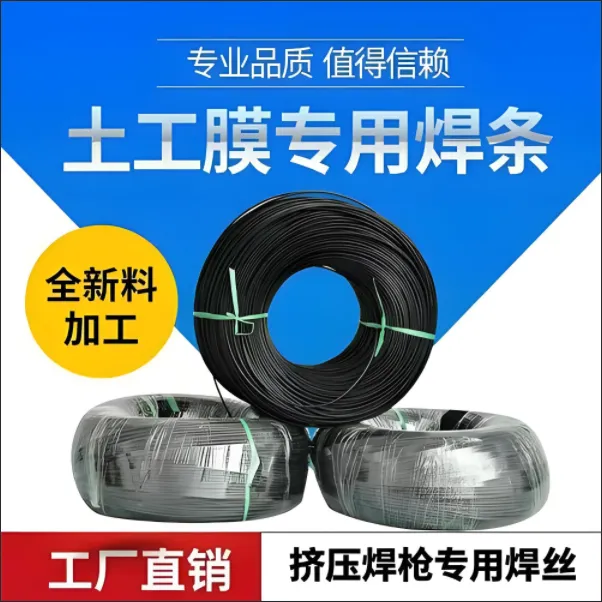
HDPE welding rods are used to reinforce field seams and repair damaged areas of geomembrane liners. Choosing the right HDPE plastic welding rod affects the strength of the seam and the service life of the liner. This guide explains the common types, sizes and selection points.
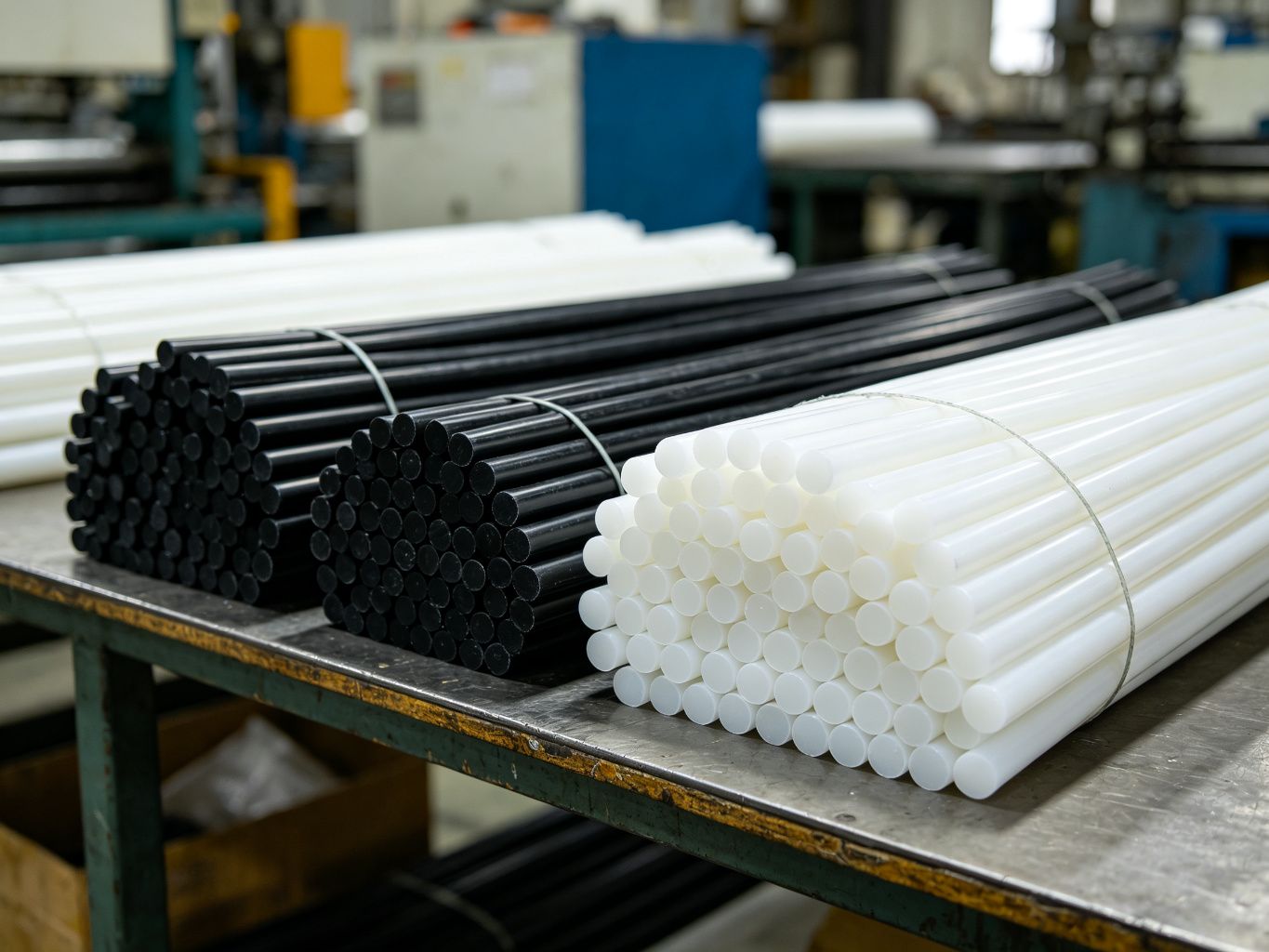
Welding rods are produced from the same polyethylene resin family as the membrane, normally HDPE or LLDPE. Round rods are the standard choice for extrusion welding, while flat or triangular profiles are used for specific repair work. The rod material should match the membrane grade to ensure a homogeneous weld.
Round welding rods are commonly available in 3 mm, 3.5 mm, 4 mm and 5 mm diameters. The rod diameter is chosen according to the groove size and the welding gun nozzle. For most field repairs a 4 mm rod suits standard grooving tools; thinner rods are used for small pinholes and thicker rods for wide grooves.
Check the rod surface for bubbles, rough texture or color variation. The rod should be flexible without breaking, and its melt flow should be close to the membrane material. Store the rods in a cool, dry place away from direct sunlight before use.
Clean the repair area and preheat the membrane surface before applying the rod. Feed the rod steadily into the welding gun so the melt fills the groove completely. After welding, check the seam with a pressure test or a visual inspection for voids.
For installation and welding details, refer to our geomembrane welding guide.
Scan code consultation

 English