



 " />
" />【 WeChat QR code consultation】
+86 13698775878
Drainage boards, also called drainage composites or dimpled drainage sheets, are geosynthetic products used to collect and carry water away from structures and landscapes. This overview explains the common types, materials and applications of drainage board products.
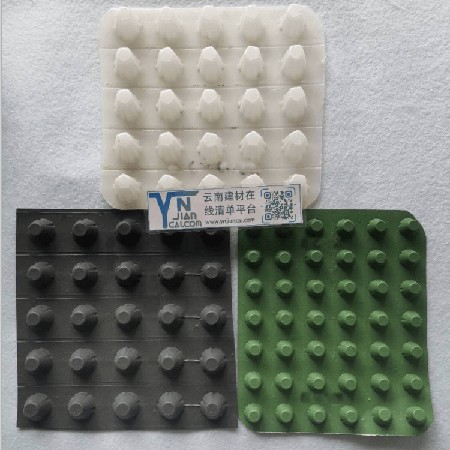
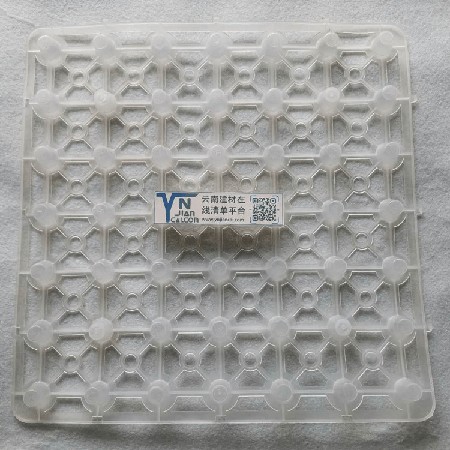
A typical drainage board consists of a dimpled HDPE core covered by a non-woven geotextile filter layer. The dimpled core creates continuous channels for water flow, while the geotextile prevents soil particles from clogging the drainage path. Core thickness commonly ranges from 8 mm to 25 mm depending on the flow requirement.
Single-sided drainage boards have the geotextile on one side and are used against walls and basement structures. Double-sided boards carry water on both faces and are used in horizontal drainage layers such as green roofs and sports field sub-bases.
Drainage boards are widely applied in basement wall drainage, retaining wall backfill, green roofs, planter boxes, and sports field drainage. They relieve hydrostatic pressure, protect waterproofing membranes and keep the surrounding soil dry.
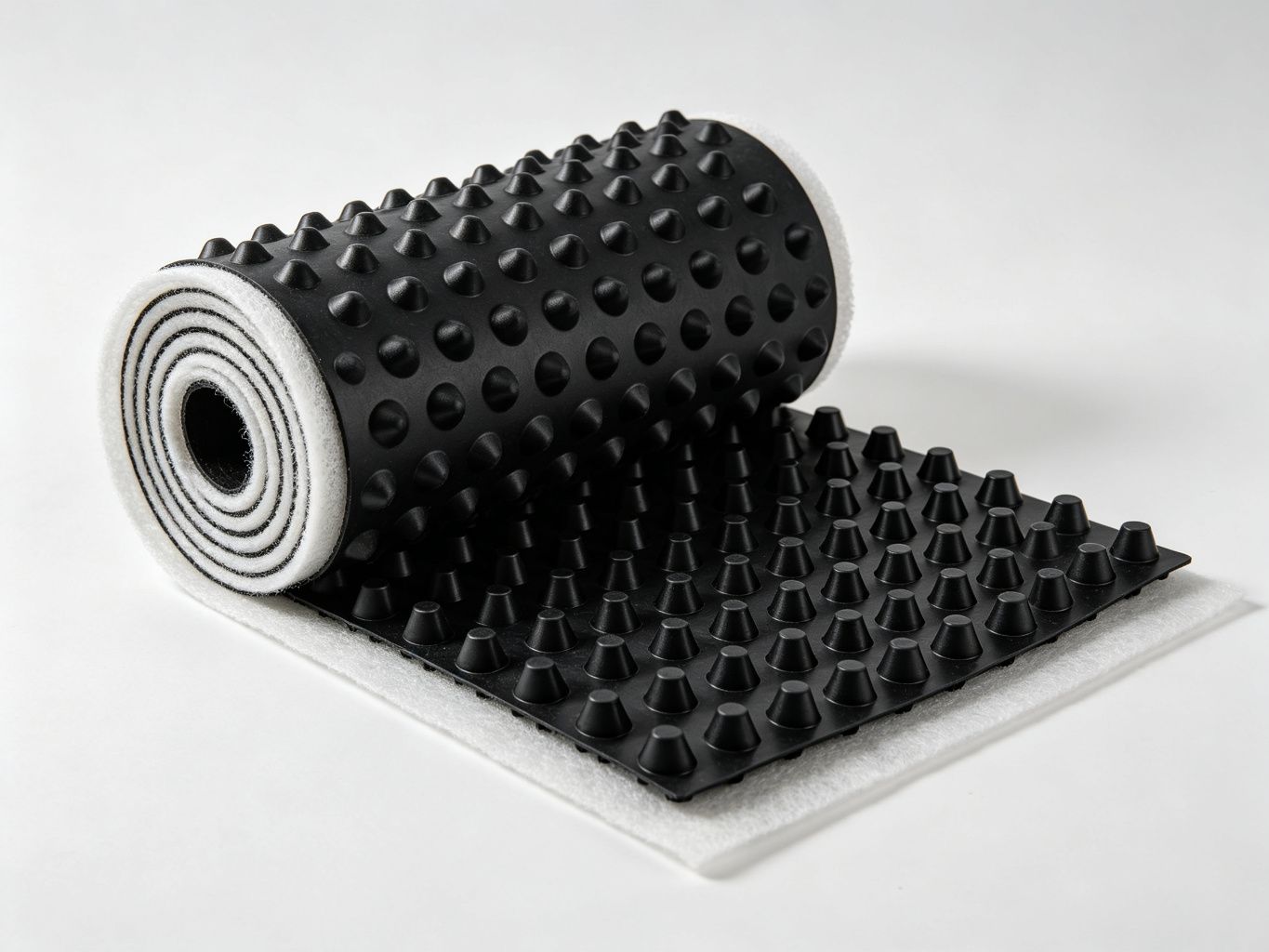
Choose the core thickness and geotextile strength according to the water flow, soil condition and installation depth. For vertical applications, the board should be fixed securely so the drainage channels face the water source. Overlap and joint treatment follow the manufacturer instructions to keep the drainage path continuous.
Drainage boards reduce the need for thick gravel drainage layers, speed up installation, and provide reliable long-term drainage. They combine with waterproofing systems to protect basements and structures from water damage.
Scan code consultation


 English