





【 WeChat QR code consultation 】
+86 13698775878
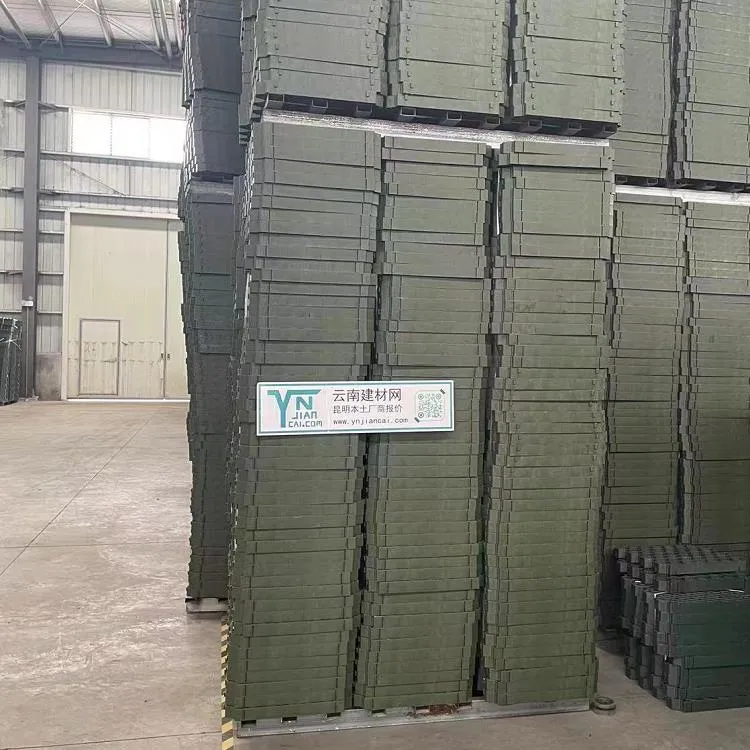
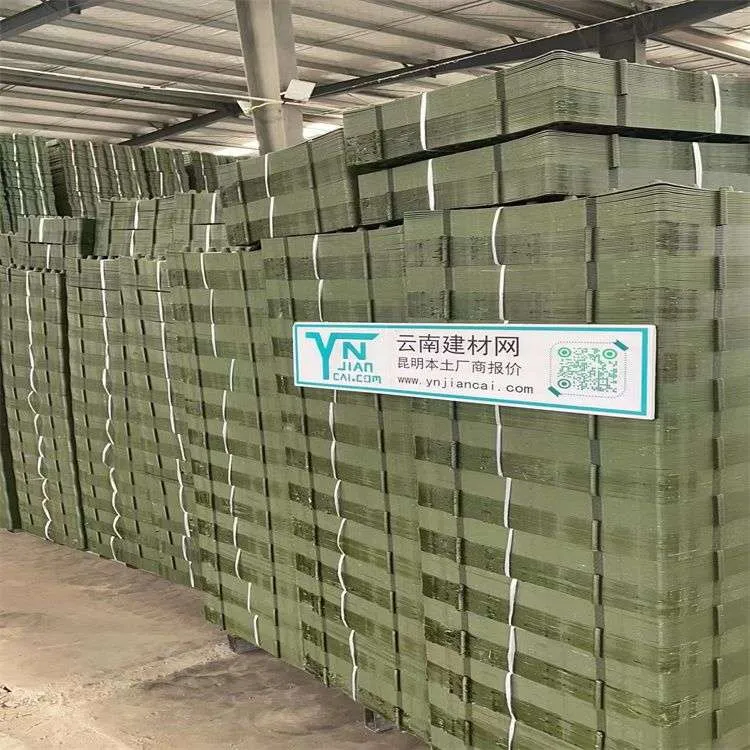
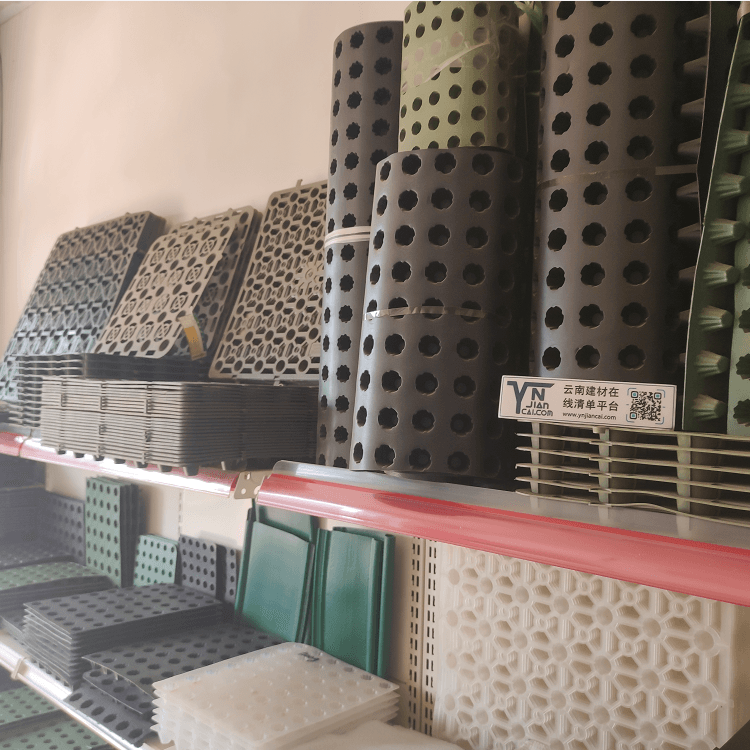
There are many thicknesses and materials for water storage and drainage boards. Here only the commonly used ones are written. If the above specifications do not meet your needs, you can select others and then explain in the remarks.
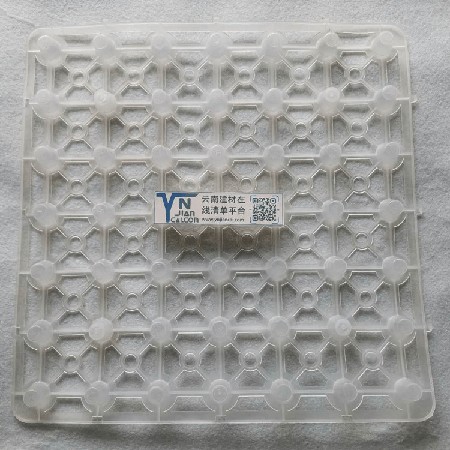
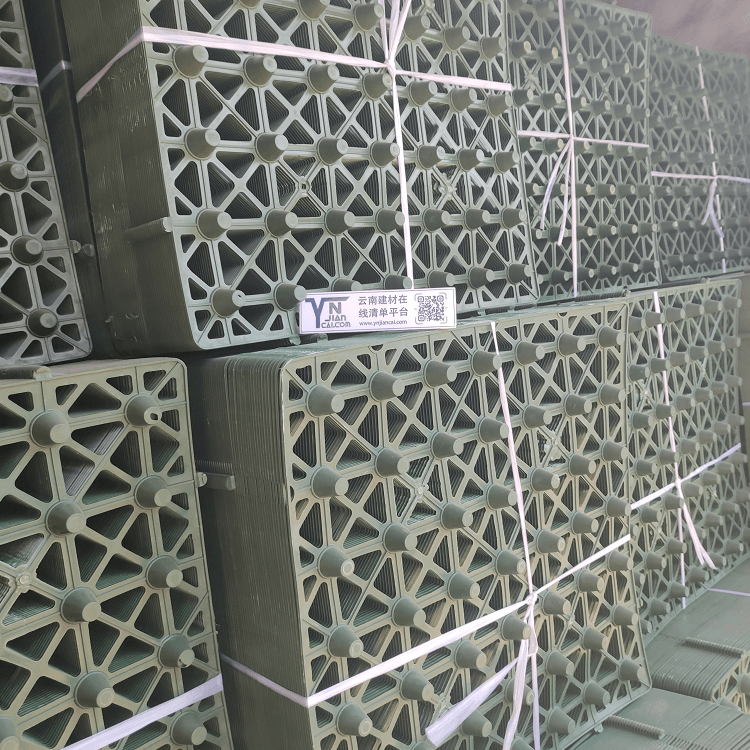
Water storage and drainage board is a light-weight board made of high-density polyethylene (HDPE) or polypropylene (PP) through heating and pressing, which can not only create drainage channels with certain three-dimensional space support stiffness, but also store water.
This kind of board itself has the comprehensive functions of both water storage and drainage. The board has the characteristics of extremely high spatial stiffness, and its compression resistance is significantly better than similar products (can be verified through on-site tests). It can withstand high compressive loads of more than 400Kpa, and at the same time can withstand the extreme load conditions of mechanical rolling during the backfilling process of planting roof slabs.
Features:
1. Convenient construction, simple maintenance and economical.
2. Strong load resistance and durability.
3. Can ensure rapid drainage of excess water.
4. The water storage part can store part of the water.
5. Can provide sufficient water and oxygen for plant growth.
6. Light weight and strong roof thermal insulation function.
Uses:
Used for roof greening, underground garage roof greening, urban squares, golf courses, sports fields, sewage treatment plants, public building greening, square greening, road greening projects in parks [1].
Construction notes:
1. When used for flower ponds, flower troughs and flower beds in gardens, directly use water storage boards and filter geotextiles to replace conventional materials (such as filter layers composed of ceramsite, pebbles or shells, etc.).
2. When used for greening hard interfaces such as new and old roofs or underground engineering roof slabs, before laying water storage and drainage boards, first clean up site debris, set up a waterproof layer according to design drawing requirements, then use cement mortar to create slopes so that there are no obvious unevenness on the surface. Water storage and drainage boards are arranged in an orderly manner, and no additional drainage blind ditches need to be set within the laying range.
3. When used as building sandwich panels, water storage and drainage boards are laid on roof concrete slabs. A single wall is then built outside the water storage and drainage boards, or concrete is used for protection, so that underground seepage water flows into the blind ditch through the overhead space of the drainage board to the water collection pit.
4. Water storage and drainage boards are spliced with each other around. The gaps during laying serve as lower drainage channels, and the geotextile filter and moisture retention layer on top also needs to be properly lapped during laying.
5. After the water storage and drainage boards are laid, the next process can be carried out. Lay the filter geotextile and substrate layer as soon as possible to prevent soil, cement, and yellow sand from blocking the holes or entering the water storage, water trough, and drainage channels of the water storage and drainage boards. To ensure that the water storage and drainage boards fullyplay theirrole, operation boards can also be laid on top of the filter geotextile to facilitate greening construction.
Construction and laying:
1. After the construction of the waterproof layer and its protective layer is completed, start laying the drainage board. The base drainage slope is required to meet 2‰~5‰.
2. Lay the drainage board with the cup-shaped opening facing up, with tooth holes interlocking;
3. Cover the drainage board with geotextile, with geotextiles lapping 10~20cm each other, to prevent muddy water from passing through the geotextile, clogging the water storage and drainage system, causing poor drainage and reduced water storage;
4. Lay 10~20mm medium-coarse sand on top of the geotextile to form a permeable filter layer, which can prevent the loss of planting soil;
5. Cover with appropriate thickness of planting soil.
6. Good protection of finished drainage board products must be done. After the drainage board is laid, it should not be allowed to directly push handcarts etc. on the drainage board. When transporting materials, wooden boards and horse paths should be laid. Achieve laying and backfilling at the same time [1].
Scan code consultation



 English