




 " />
" />【 WeChat QR code consultation】
+86 13698775878

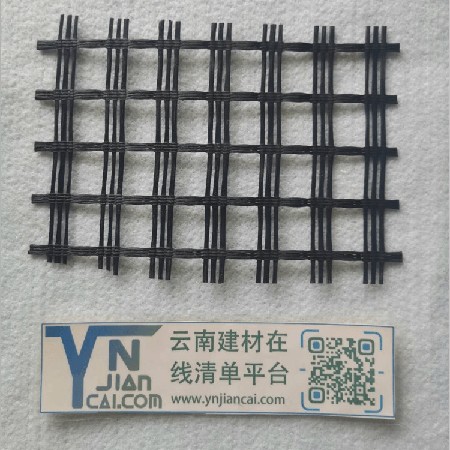
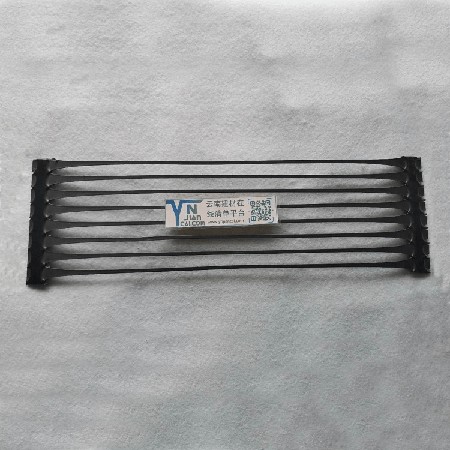
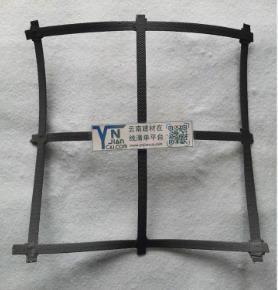
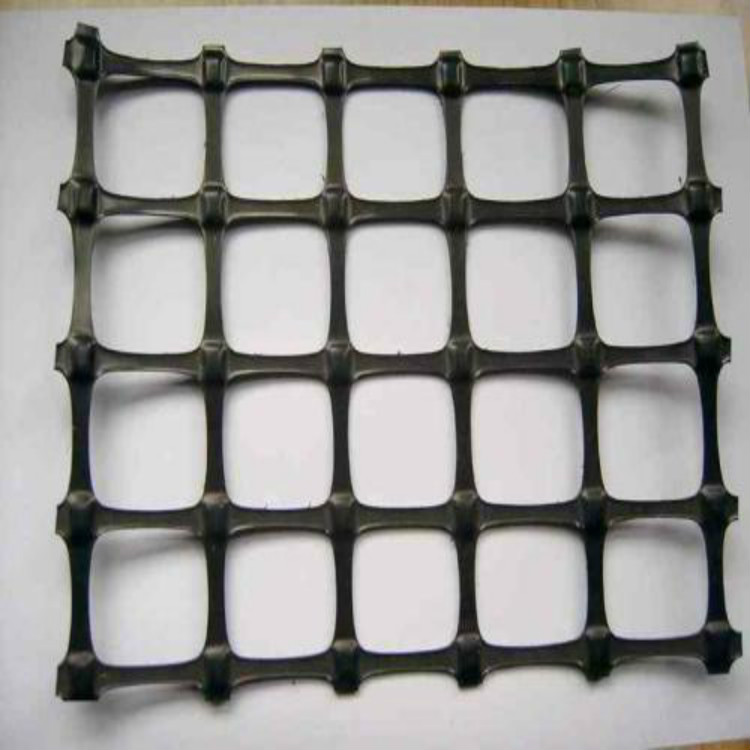
Biaxial geogrid is a geosynthetic compound made of polypropylene polymer, mainly used for reinforcing and stabilizing soil. They are made through a series of procedures, including transverse stretching, longitudinal stretching and extrusion. This production process ensures that all geogrids have high tensile strength and high tensile strength, thereby increasing the overall bearing capacity of the geogrid. Geogrids are used to reinforce and stabilize the subgrade below the aggregate. There are uniaxial, biaxial and triaxial, but due to tensile strength and wide use, biaxial is commonly used. It helps compact the aggregate and distribute the weight of the load over a larger surface area, and can be used together with geotextile to separate the aggregate from the geotextile in places with high moisture content to help prevent soil type mixing and reduce the core bearing rate of the soil.
It is also important to understand that there are three different types of geogrids on the market; uniaxial, biaxial and triaxial. In our case, we focus on biaxial geogrids, which are designed to ensure the subgrade is strong in both length and width directions. This is why these types of geogrids have been used in projects such as pavement and road reinforcement for more than thirty years.
How do biaxial geogrids work? If the soil in the area where you are going to add dense loads (such as slabs, railway sleepers, trucks or lorries) is too soft, the pressure will force the soil to warp. Geogrids will help protect the soil by compacting the aggregate, thereby further improving the bearing capacity of the underlying ground. In short, it can reinforce the ground and prevent it from disappearing during heavy traffic, preventing rutting, etc. Unlike when loads are only introduced into the soil, geogrids force the pressure of heavy loads to be distributed over the entire surface area of the grid, because the subgrade has strength in both directions. This is similar to why if you walk on thin ice, it is better to lie down to distribute your weight over a larger surface, the principle here is the same. This essentially means that once the biaxial geogrid is set up and heavy loads are placed in position, the soil below the grid will compact, and the strength of the subgrade will be further enhanced. This means it is very cost-effective by saving labor and maintenance costs. Very suitable for farm tracks, etc. or rural roads where trucks travel up and down. It helps stop rutting caused by tire weight, which would otherwise require regular replenishment.
Different uses of biaxial geogrids? Geogrids can be installed below the surface of various construction projects to stop deformation caused by settlement over time. Examples of this may include: railways, airport runways, parking lots, construction haul roads, patio driveways, embankments, farm tracks, country roads. Geogrids are also used behind retaining walls as a reinforcement layer to hold soil in a fixed position.
Can I use geogrid next to geotextile? If the soil moisture content in a specific area is high, the site may be experiencing "pumping". This is where various soil types mix and weaken the soil core bearing ratio. In other words, damp wet ground will dig pits or trenches faster - in this case, non-woven geotextile membrane can be used to separate the aggregate from the geogrid. This will filter soil particles and help separate them from the aggregate layer, thereby helping to further compact the subgrade. Reinforce the ground and help remove moisture.
How to lay biaxial geogrid? Before placing any geogrid, you must first prepare the subgrade (the aggregate or base soil below). The subgrade must be leveled according to any standard to ensure the entire work can be performed correctly and efficiently, and comply with any guidelines stipulated by your project-specific construction standards. It is also recommended to wear heavy-duty hand protection when handling biaxial geogrids, as it can be sharp, especially when cutting. Geogrid can first be placed parallel to the centerline of the project or transversely. If you need to use geotextile membrane, for example if your site experiences "pumping", it should be laid before placing the geogrid. There must be overlap between adjacent rolls. The size of this overlap will depend on the slope and the thickness of the fill, as well as the type of subgrade. As a standard, small overlaps tend to be 300mm, large 600mm. Commercial projects may vary according to contractual agreements. Usually the overlap is just overlapped with the aggregate placed on top to press it down, but it can also be stapled in place. During the filling process, it should be placed in small layers rather than dumped directly on the geogrid. Care should be taken when handling geogrids to minimize the risk of damage. Each different project has relevant standards, and compaction must be carried out according to the prescribed rules.
Scan code consultation


 English