




 " />
" />【 WeChat QR code consultation】
+86 13698775878

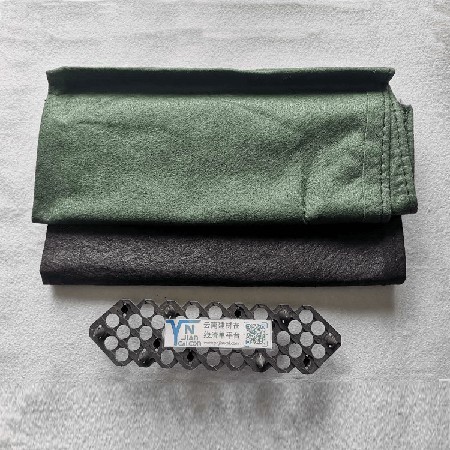
Ecological bag is made of non-woven geotextile or woven material, with a wide range of uses and can be used for different purposes. It is made of breathable fabric, and when used with soil, can be used for various applications such as filtration, protection, separation, reinforcement, sealing and drainage.
These bags contain a protective layer that can improve UV resistance and also prevent any damage. Usually, ecological bags are soil containers in the form of bags made of geotextile woven or non-woven fabric.
Ecological bags are one of the popular geosynthetic products in recent years, made of polypropylene, polyethylene or polyester. These bags are widely used for multiple purposes. These bags have UV resistance function, providing them with ultimate protection against UV damage. In addition, their high permeability and erosion resistance make them ideal tools for various applications, such as reinforcement, separation, filtration, erosion control, protection, drainage, etc.
Engineering applications have made it dominant in many industries. With the help of minimal equipment and unskilled labor, constructing these geosynthetic material bags is not a complex process. Due to the minimal manufacturing time required, these bags are overused as a substitute for boulders. Ecological bags are made of woven or non-woven fabric, mainly used as soil bags, which can minimize any damage. The bags are sewn on both sides, with the mouth kept open to fill with soil. After filling is completed, the mouth must be sewn for better results. There are different ecological bags of 100-120 grams per square meter on the market.
Compared with graded soil, textile bags are suitable for providing optimal drainage systems for sidewalks, dams, groundwater interlayer systems, buildings, etc. Because these materials provide consistent filtration, reduce environmental impact, reduce mining and quality construction, they perform best in building drainage systems that remain intact for many years.
To ensure well-organized railway operations, maintaining track geometry is crucial. Substandard pumping into the ballast layer makes the track bed uneven, leading to derailments and delayed arrivals. From stabilizing tracks, preventing ballast contamination to providing sustainable work for lateral drainage, geotextiles have a very wide range of applications in railway applications. High-strength woven geotextiles are used in many cases to reduce embankment fill and reinforce weak subgrade soils.
Ecological bags are mainly used for flood control. Most of the time, soil sandbags are used in large quantities to build resistance walls. This application has proven to be more effective and affordable than building walls to mitigate losses and divert floods. These bags are very efficient, very durable and easy to apply, able to withstand extreme weather conditions.
To increase the strength of coastlines, basic preservation of navigation structures and prevent erosion, geotextile bags are used as natural sand dunes. Since these bags are environmentally friendly materials, their implementation will not have a negative impact on marine life. In addition, in areas where there are not enough boulders or rocks to protect the beach, these bags are a cost-effective solution.
Scan code consultation


 English