




 " />
" />【 WeChat QR code consultation】
+86 13698775878
Rubber waterstops are installed at concrete construction joints to prevent water from passing through the joint. This overview introduces the common types, materials and applications of rubber waterstop products.
Concrete structures such as basements, water tanks and tunnels have joints where water can enter. A waterstop embedded in the joint blocks the water path and protects the structure from leakage and dampness.
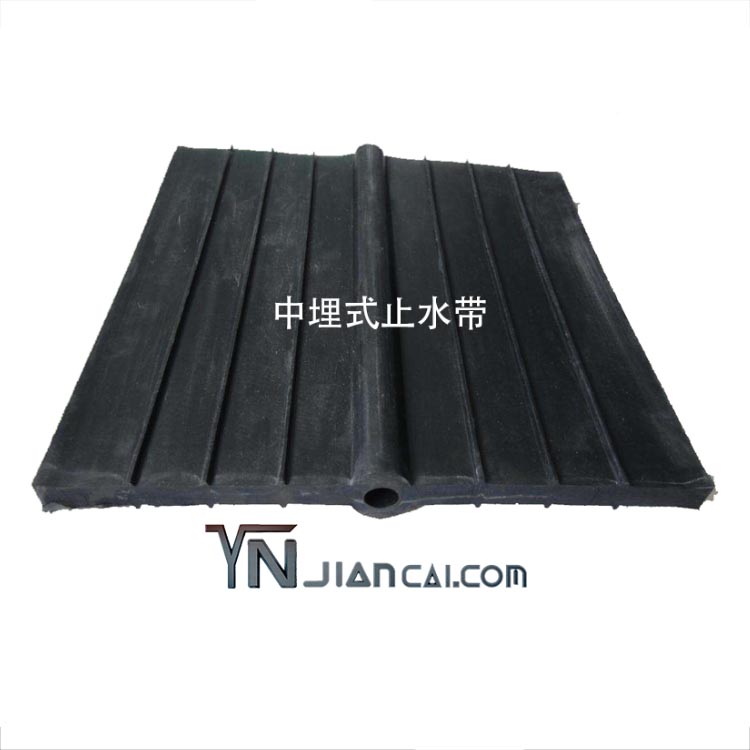
Rubber waterstops are available in several profiles: the common center-bulb type with two wings, flat strip types, and types with a steel-reinforced rib for higher pressure resistance. The profile is chosen according to the joint movement and water pressure.
Natural rubber and synthetic rubber compounds are used, with additives to improve aging resistance and low-temperature flexibility. The material hardness and tensile strength are selected to match the concrete grade and service condition.
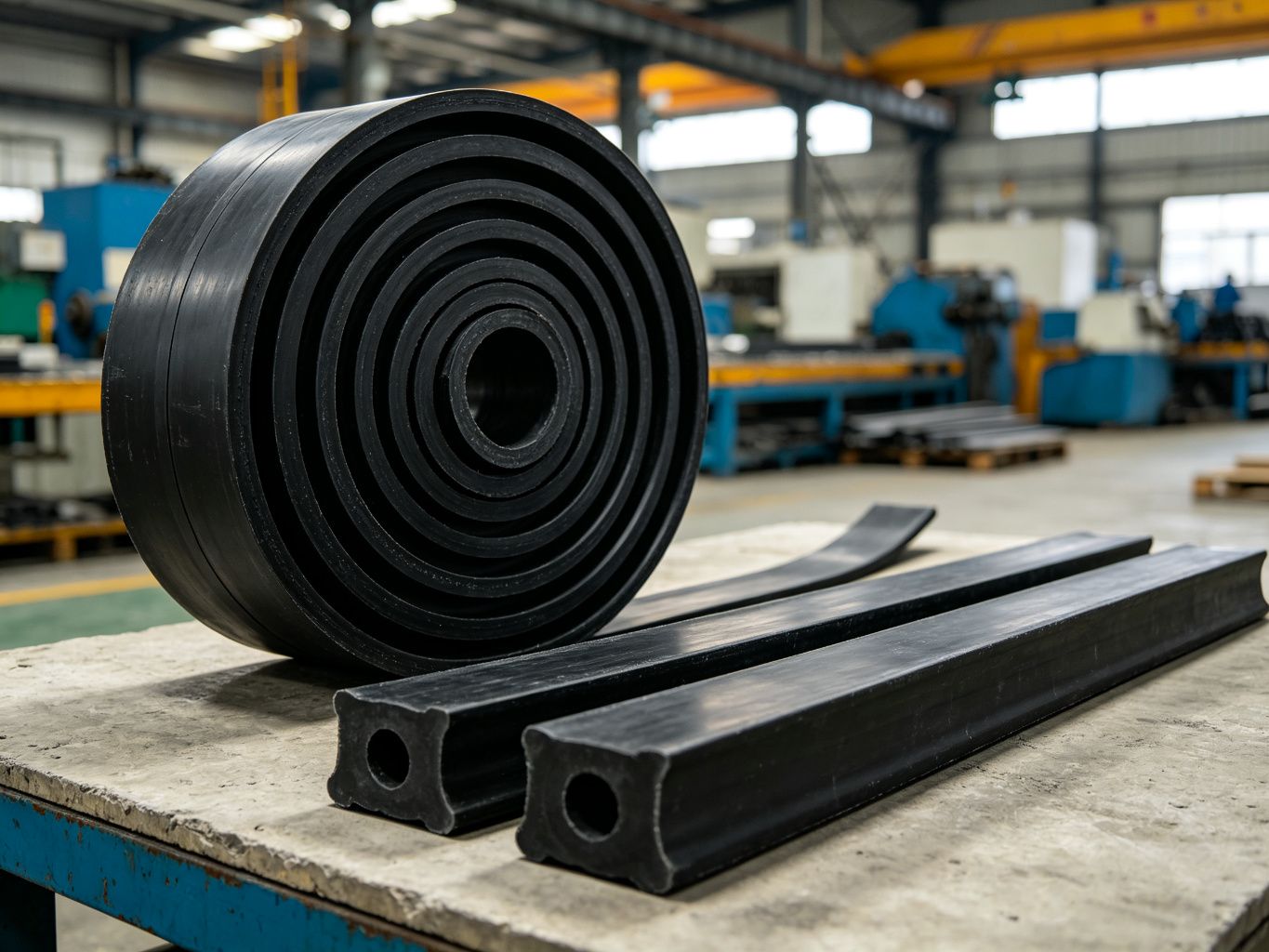
Position the waterstop at the center of the joint and fix it firmly before pouring concrete. The wings must be embedded on both sides of the joint to create a continuous barrier. Splice the waterstop ends by vulcanized or adhesive splicing to keep the barrier unbroken.
Choose the waterstop type and size according to the structure type, joint width and expected water pressure. For high-movement joints, use a profile with a larger center bulb. Confirm the material grade and test certificate with the supplier before delivery.
Scan code consultation

 English