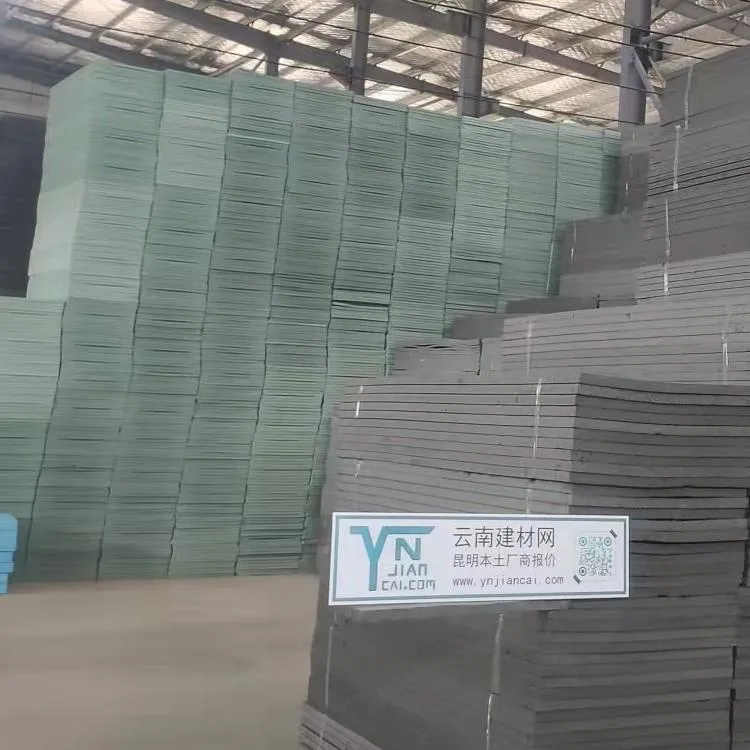
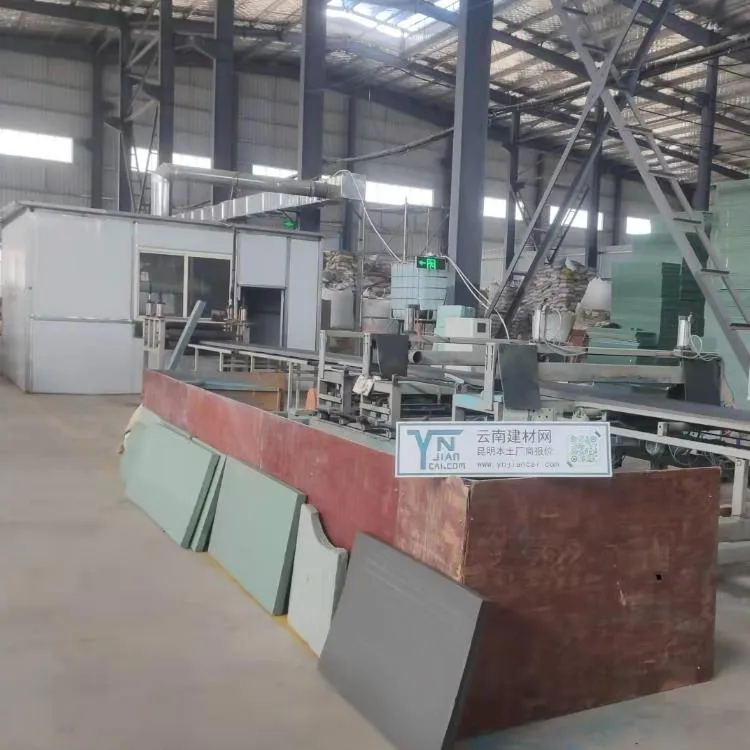
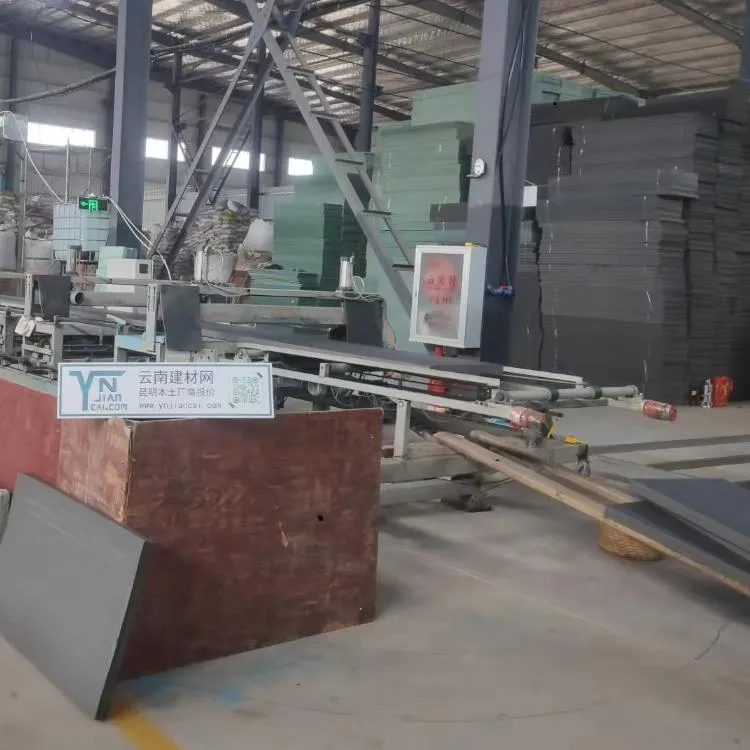
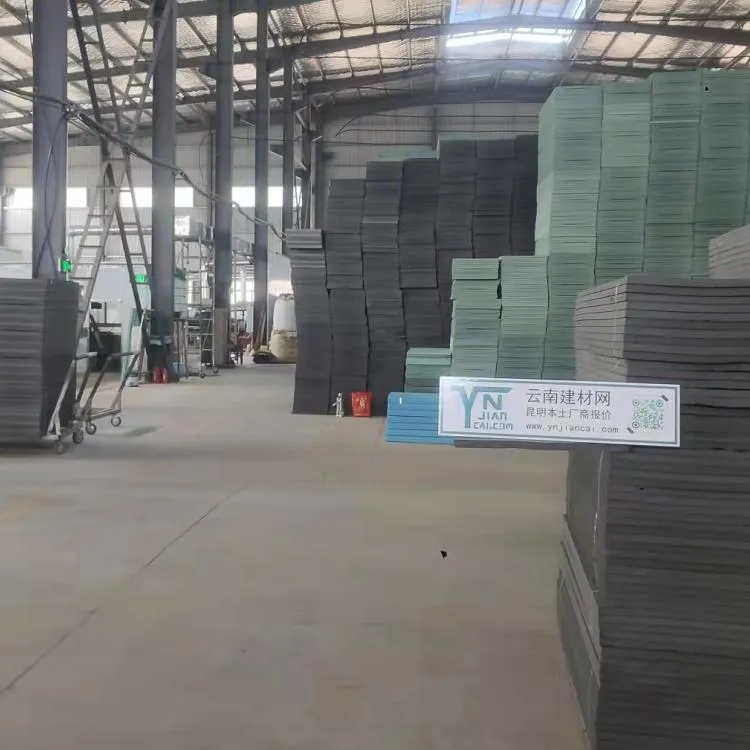
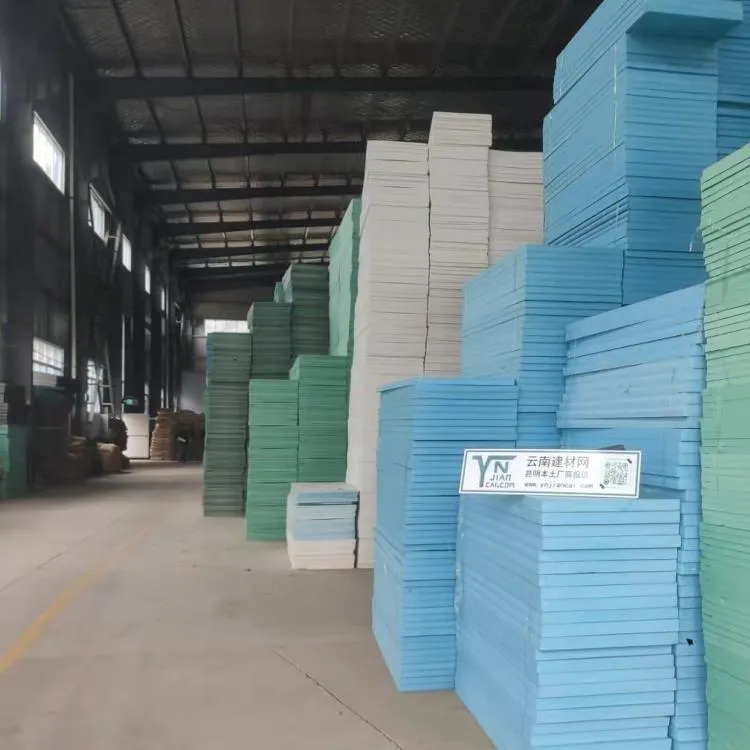
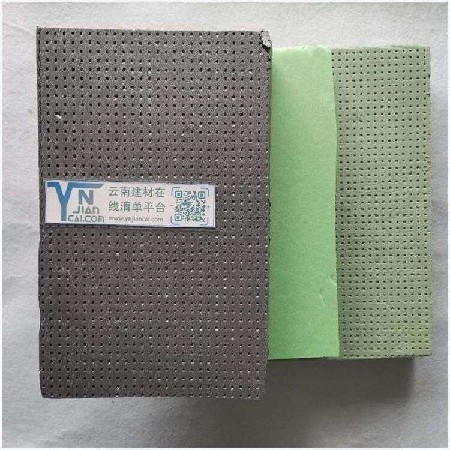
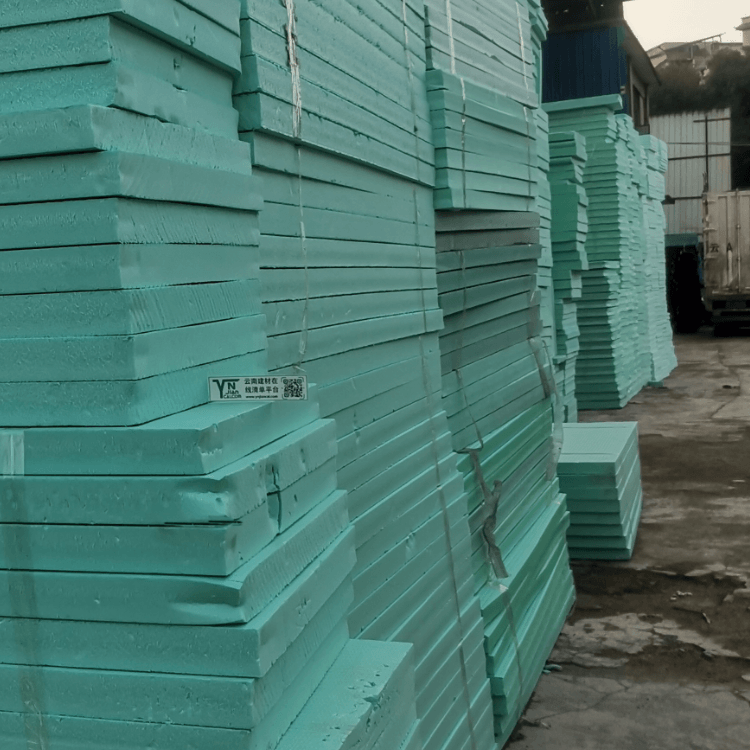
Extruded board is a material formed by continuous extrusion and foaming through a special process. The hard film formed on its surface is uniform and flat, and the interior is completely closed-cell foamed continuously and uniformly, forming a honeycomb structure. Therefore, it has the characteristics of high compression resistance, light weight, non-water absorption, airtight and wear-resistant, and non-degradation.
Compared with EPS polystyrene foam plastic board, its strength, thermal insulation, water vapor penetration resistance and other properties are greatly improved. It can completely maintain its thermal insulation performance and compressive strength even under water immersion conditions, especially suitable for thermal insulation, thermal insulation, and moisture-proof treatment of buildings. It is one of the cost-effective construction materials in today's construction industry.
For customization, please select others and explain in the remarks.
(1) Unmatched thermal insulation performance
Its thermal conductivity is less than or equal to 0.028w/mk, far lower than other thermal insulation materials (in engineering, materials with thermal conductivity less than 0.25w/mk are usually used as thermal insulation (insulation) materials). Therefore, it has the characteristics of high thermal resistance and low linear expansion rate. It is widely used in roof thermal insulation systems, cold storage, internal and external wall thermal insulation, with unmatched effects.
(2) Absolutely dry water absorption
As a perfect thermal insulation material, water absorption rate is an extremely important technical indicator. High water absorption rate will lead to poor thermal insulation performance. Extruded board has a complete closed-cell structure, with no gaps on both front and back sides of the board, so that moisture generated by water leakage, condensation and freezing/thawing cycles cannot penetrate. Therefore, it can effectively prevent the entry of water molecules, so the board will not age. Over time, its thermal insulation layer will lose its function, further causing the thermal insulation structure layer to need renovation. The closed-cell structure of XPS board can effectively prevent the penetration of water molecules (including water vapor). Even if mechanically damaged during construction, XPS board can effectively maintain low water absorption due to its tight and compact honeycomb structure. Due to effectively preventing water molecule penetration plus no hydrophilicity, aging phenomenon is almost impossible, almost the same lifespan as the building.
(3) Excellent and lasting thermal insulation performance
Low thermal conductivity is a condition that all thermal insulation materials must possess. XPS board is made of polystyrene (PS) as raw material. As is well known, polystyrene itself is an excellent thermal insulation material. Coupled with production by extrusion, the tight closed-cell honeycomb structure more effectively prevents heat conduction.
(4) Unexpected compressive performance
XPS extruded board is a light-weight high-strength board. Under the condition that the density does not exceed 40kg per cubic meter, the compressive strength can be as high as 350KPa or more. Used in buildings can obtain good impact resistance.
The excellent compressive performance of XPS extruded board remains almost unchanged even when immersed in water, a feature not found in other thermal insulation materials.
(5) Good flame retardancy
According to user requirements, ordinary type and flame-retardant type products are provided, which can fully meet the flame retardant performance requirements of thermal insulation products for factory buildings, sports venues, exhibition centers, etc.
(6) High-quality environmentally friendly products
XPS extruded board has stable chemical properties, no volatilization of harmful substances, no decomposition or mildew, and good corrosion resistance.
In the production process of XPS extruded board, environmentally friendly raw materials are used, no harmful gases are produced, and the environmental protection concept is also reflected in the production process. The solid waste produced can be recycled and reused, making it a recyclable environmentally friendly product.
(7) Convenient construction and low cost
Due to its light weight, it is easy to handle, easy to cut, no need for electric saws, simple to fix, only requiring iron sheets, iron wire, plastic adhesive or polymer mortar to fix. Therefore, the cost of building construction can be greatly reduced.
1> Widely used for wall thermal insulation, flat concrete roof and steel structure roof thermal insulation;
2> Used for moisture-proof and thermal insulation in low-temperature storage floors, parking platforms, airport runways, highways and other fields.
Extruded board is a rigid foam plastic board made of polystyrene resin supplemented with polymers, heated and mixed while injecting catalyst, then extruded to produce continuous closed-cell foaming. Its interior is an independent closed bubble structure, which is an environmentally friendly thermal insulation material with excellent properties such as high compression resistance, low water absorption, moisture-proof, airtight, light weight, corrosion resistance, super anti-aging (almost no aging during long-term use), and low thermal conductivity.
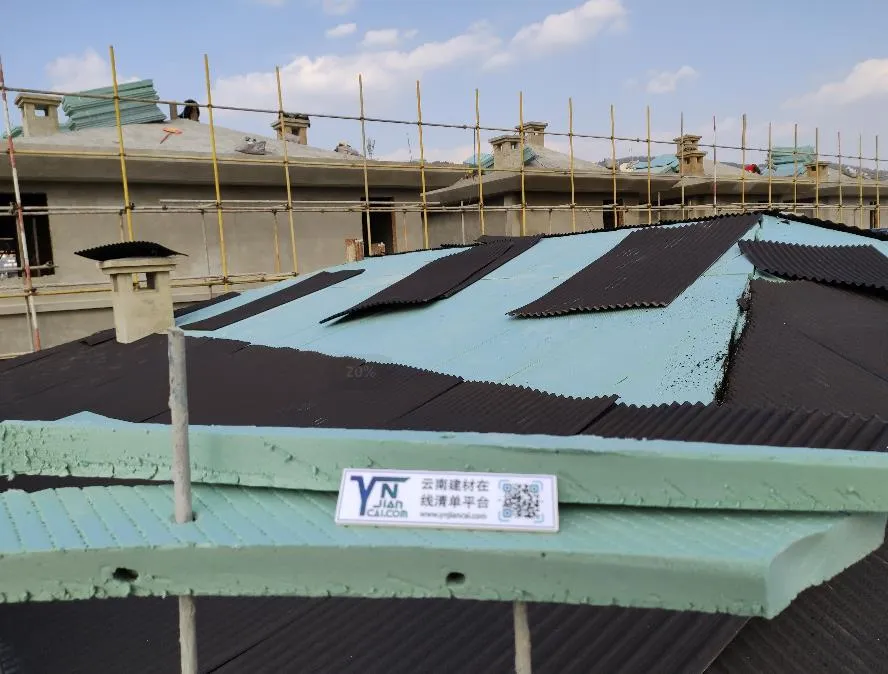
Extruded board is widely used in dry wall thermal insulation, flat concrete roof and steel structure roof thermal insulation, low-temperature storage floors, under low-temperature floor radiant heating heating pipes, parking platforms, airport runways, highways and other fields for moisture-proof and thermal insulation, controlling ground frost heave. It is currently a cost-effective, high-quality thermal insulation and moisture-proof material in the construction industry.
I. Excellent and lasting thermal insulation
The lowest possible thermal conductivity is the goal pursued by all thermal insulation materials. Extruded board is mainly made of polystyrene as raw material, and polystyrene is originally an excellent low thermal conductivity raw material. Coupled with extrusion, the tight honeycomb structure more effectively prevents heat conduction. The thermal conductivity of the energy-gathering board is 0.028/m.k, with high thermal resistance and low linear expansion rate characteristics. The thermal conductivity is far lower than other thermal insulation materials, such as EPS board, foamed polyurethane, thermal insulation mortar, perlite, etc.
II. Superior water resistance and moisture resistance
Extruded board has a tight closed-cell structure, the polystyrene molecular structure itself does not absorb water, and there are no gaps on the front and back sides of the board. Therefore, the water absorption rate is extremely low, and the moisture-proof and anti-seepage performance is excellent.
III. Corrosion resistance and durability
General rigid foam thermal insulation materials are prone to aging after a few years of use, which then leads to water absorption causing performance degradation. Extruded board, due to its excellent corrosion resistance, anti-aging properties, and thermal insulation, can still maintain its excellent performance under high water vapor pressure, with a service life of 30-40 years.







 English