


 " />
" />【 WeChat QR code consultation】
+86 13698775878

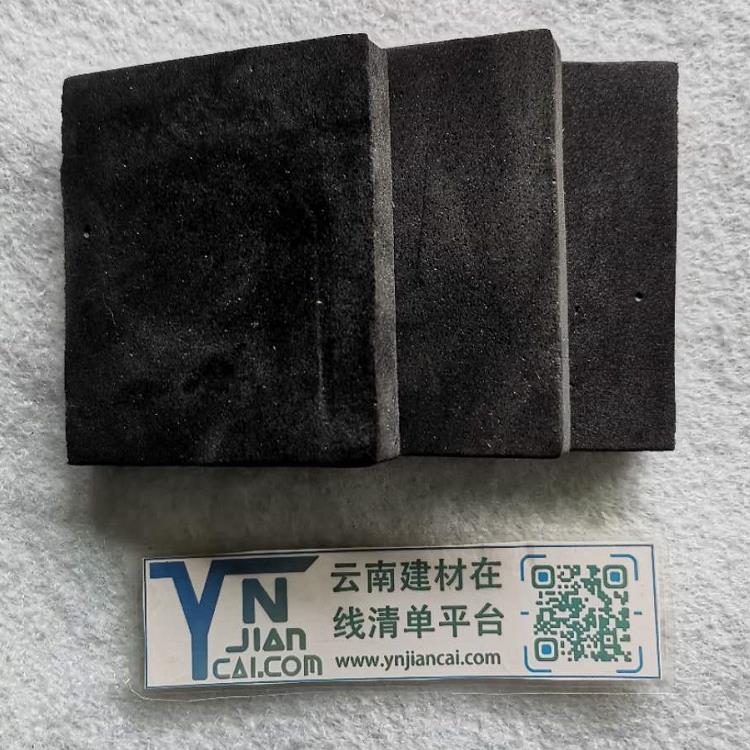
The versatility of polyethylene makes it a product for numerous projects and one of the most used foam materials on the market. Although polystyrene is known for its applications in cups and insulation materials, and the soft and soft feel of polyurethane foam is familiar to everyone, polyethylene is usually a forgotten material. But from packaging and flotation equipment, to masonry supplies and shock absorbers, it works hard every day whether we realize it or not.
Polyethylene is a closed-cell foam, which means its structure is composed of millions of tiny air bubbles sealed to each other. In addition to the strength and stiffness not present in open-cell foams, this also provides water resistance. It is also resistant to solvents, petroleum products, and also has antibacterial properties that inhibit the growth of mold, mildew and bacteria. Polyethylene is an elastic material that returns to its original shape after compression, while still providing sufficient cushioning and safety where needed. It is these characteristics, combined with its versatility and customization possibilities, that make it so useful in so many applications.
Polyethylene foam board formed by heating polymer compounds can incorporate additives into its formulation to change its properties before being heated and extruded into a solid form. This means that in addition to standard polyethylene sheet foam, there are also anti-static product varieties. Anti-static properties help with the packaging, handling and transportation of precision electronic products by dissipating electrostatic charges that may build up and damage components. The characteristics of the material always remain consistent compared to additives included in the formulation, rather than adding treatments after the foam is formed. Like other foams, it can also be used in different densities for different applications. The higher the density of polyethylene, the smaller or thicker the cell walls, resulting in a stronger material.
In addition to the performance characteristics that polyethylene can have, the material also comes in a variety of shapes and sizes. Commonly in sheet or board form, polyethylene has the rigidity to maintain its shape when cut into thick sections. They are commonly used as insulation materials or for housings and custom packaging, because although polyethylene is strong and absorbs impact, it can also be easily cut into appropriately shaped inserts for safely moving or transporting items. Closed-cell foam insulation materials have excellent moisture resistance, especially polyethylene is commonly used as a thermal insulation material. Polyethylene films are also easily laminated together to form thicker sections, which can then be cut into furniture inserts, personal flotation device inserts or specialized packaging. In addition, support rod polyethylene tubes are made in various diameters for various uses.
Polyethylene rolls are made of very thin material. This flexibility allows it to be used as insulation wrapped around pipes, seals between foundations and sill plates in buildings, or for making bags or sacks to protect goods while minimizing space and weight. A possibly easily recognizable style of polyethylene is its cylindrical shape, as it appears every summer as a pool noodle water toy. These cylinders come in different sizes and can also be used as support and bracing products to improve personal comfort. When manufactured on a much smaller scale, continuous lengths of polyethylene tube are used in construction as support rods between concrete slabs. Waterproof foam backer rods form a cost-effective filler that reduces how much expensive sealant product is needed, while allowing a degree of flexing between two boards by not allowing a three-way bond to form. Due to weather and temperature changes, support rods allow for expansion and contraction.
Scan code consultation


 English