




 " />
" />【 WeChat QR code consultation】
+86 13698775878
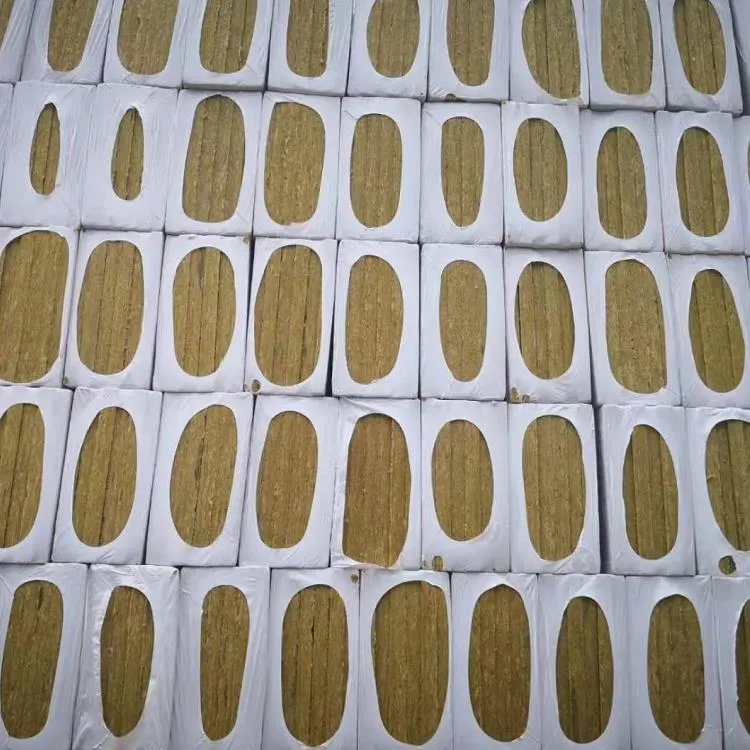
1. Rock wool boards have fire resistance up to 600 degrees Celsius during the production process.
Therefore, rock wool insulation materials are formed from actual rock and steel slag, which must be heated to above 600 degrees Celsius insulation to mix the component materials and form this efficient insulation material. With this in mind, mineral wool products can generally resist fire, flames and high temperatures up to 600 degrees Fahrenheit insulation, while some rock wool products can resist temperatures up to about 1200 degrees Celsius without melting or smoking. Insulation
This better heat resistance is very suitable for building houses, because the insulation material forms a fire barrier inside and outside the house, between rooms and even between floors, thereby slowing down the spread of fire. It should be noted that fiberglass insulation also has high heat resistance, although it begins to melt at about 590 degrees Celsius.
2. Rock wool is a very durable insulation choice.
The durability of this insulation material is undisputed, because it can maintain its thermal efficiency for decades, while its insulation R insulation value degrades and decreases. This is mainly due to the materials used to manufacture rock wool insulation, including rock and steel slag, which are known for their high durability and natural resistance to rot and corrosion.
However, the durability of rock wool is not limited to the insulation quality of the material. Its waterproof, mold-resistant, mildew-resistant and fire-resistant properties also contribute to the durability and performance of rock wool insulation. This is especially true for the moisture-resistant properties of the material, otherwise the insulation may absorb and retain moisture from highly humid air, leading to premature damage of the material.
3. Rock wool insulation is very suitable for soundproofing rooms.
Some people may not appreciate the thickness of rock wool insulation, because it is indeed thicker than fiberglass insulation, but this helps slow down heat transfer and has the additional effect of slowing down sound waves. When sound waves try to pass through the material, they slow down, sometimes even completely blocked, thereby forming a built-in sound insulation effect.
Although the thickness of the insulation helps block noise, it is the density of the rock wool insulation that provides sound insulation. The density of fiberglass insulation is about 0.5 to 1.0 pounds per cubic foot insulation, which can reduce sound by 4 to 10 decibels insulation. The density of rock wool board insulation material is about 1.7 pounds per cubic foot insulation, which can continuously suppress sound from 10 to 15 decibels insulation.
4. Insulation rock wool allows moisture to escape and prevents mold growth.
The structure and composition of rock wool board insulation make it very suitable for rooms prone to high humidity, such as bathrooms or kitchens. The moisture-resistant and breathable properties of rock wool insulation mean that any liquid water will drain from the insulation rather than soak into it, while gaseous water vapor will pass through without making the material damp.
In addition, rock wool insulation is inorganic, so it is a poor medium for mold and mildew growth, because they have nothing to use as organic matter. Therefore, it can resist fungal growth, thereby reducing the chance of users opening walls and finding dangerous biological problems waiting for them.
Scan code consultation


 English